
Stem cells sound like a fix for almost everything. So why would a clinic ever tell you no? Because this treatment is not right for everybody, and you deserve to know that before you spend money.
This guide walks you through the most common reasons stem cell therapy may not be right for you. That way, you can walk into a consultation with clear questions.
Not every stem cell treatment is the same, and not every person is a good fit. A careful provider screens you first. Atour clinic, that starts with a free consultation. We talk through your health history, your goals, and whether treatment is a fit.
We'll cover the health conditions that can rule you out. We'll look at joint damage that has gone too far. We'll also talk about goals that don't match what treatment can do. Then we'll share what to do if the answer is "not yet."
Who Is Not a Candidate for Stem Cell Therapy?
You may not be a good candidate if you:
- Have an active infection, fever, or open wound
- Have active cancer or are in cancer treatment
- Are pregnant or breastfeeding
- Take medicines that suppress your immune system, such as steroids
- Take blood thinners or have a bleeding disorder (ask us first)
- Have bone-on-bone joint damage that may need surgery
- Expect a cure, or haven't tried basic care like physical therapy yet
These are general guidelines, not a final answer. Before you decide, bring your health history and medicine list to a provider. A one-on-one consultation is the only way to know for sure.
Why Stem Cell Candidacy Isn't One-Size-Fits-All
A good candidate has a fair chance of benefit and a low risk of harm. Both parts matter. A treatment that might help you isn't worth it if the risk is too high for your body.
Not every clinic uses the same kind of cells. At our Jerome clinic, we use Hyagen™ CV. It's a donor product made from donated umbilical cord, not cells taken from your body. Dr. Toby Anderton, MD, has collaborated with Paul Dickinson, CRNA, and Central Idaho Anesthesia to bring this care here.
That changes how we screen you. Nothing is collected from your body, so that step isn't a concern. But with any donor product, how it's made and handled matters. The CDC has linked poorly made cord-blood products to serious infections.
Where cells come from
Donor umbilical cord cells (what we use): Donated umbilical cord.
Your own cells (used at some clinics): Your own body.
Collection step on you
Donor umbilical cord cells (what we use): None.
Your own cells (used at some clinics): Yes, before treatment.
Main screening focus
Donor umbilical cord cells (what we use): Your health, your medicines, and product safety.
Your own cells (used at some clinics): Your health, plus the collection procedure.
You'll often see the words "FDA compliant." That isn't the same as "FDA-approved." The FDA has approved cord-blood stem cell products only to rebuild a patient's blood and immune system. Hyagen™ CV's maker states it is produced under FDA HCT/P 361 and American Association of Tissue Banks guidelines. It is not FDA-approved.
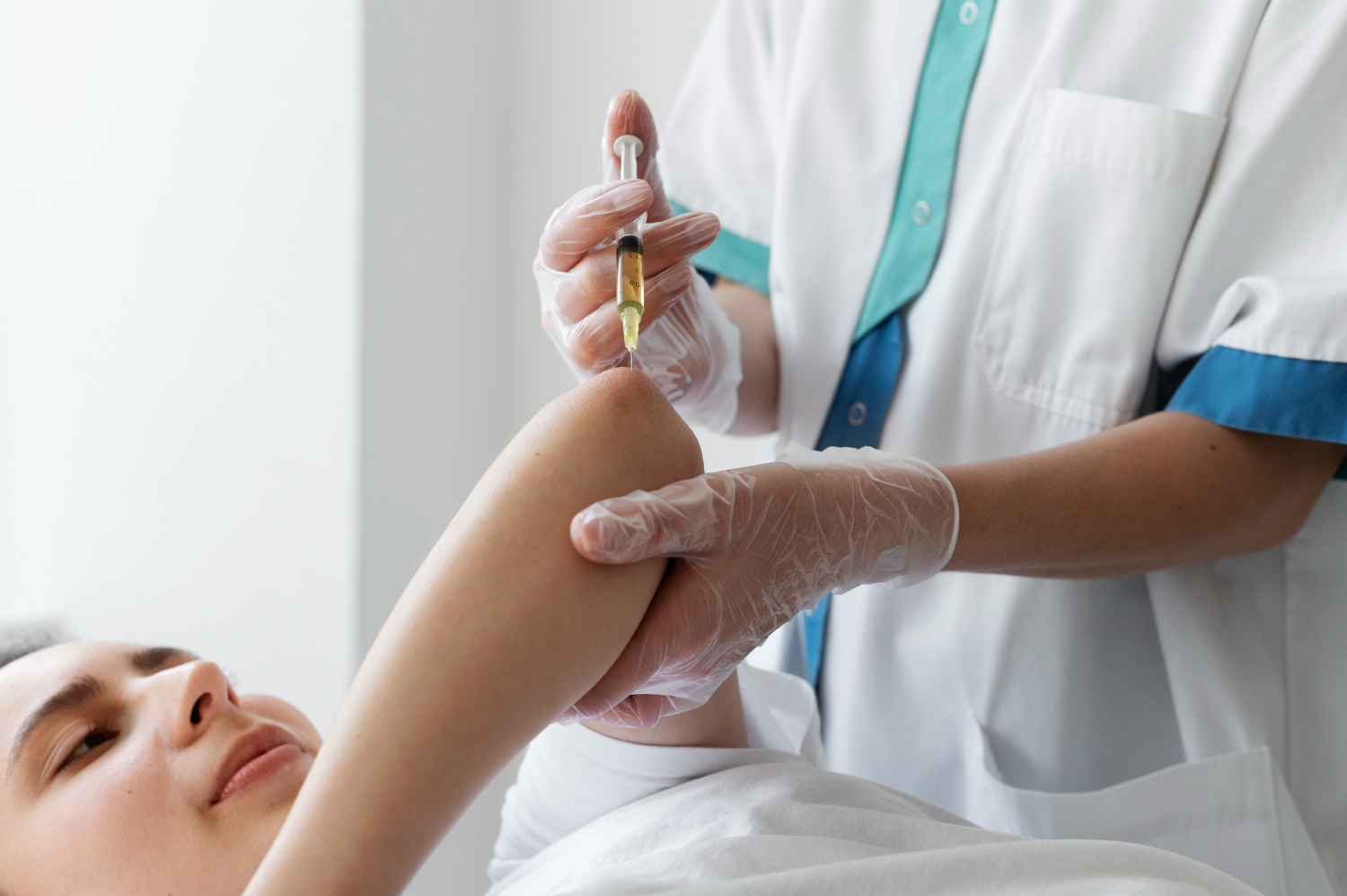
Health Conditions That Can Rule Out Stem Cell Therapy
Some health conditions make treatment too risky, at least for now. Providers call these stem cell therapy contraindications. Here are the main ones we screen for.
Active Infection or Fever
An injection can carry germs deeper into your body. The CDC has reported bloodstream and joint infections in patients who got shots of contaminated cord-blood products. Your body should be clear of infection before any treatment.
Ask first: If you're sick, running a fever, or have a wound that hasn't healed, tell us before your visit.
Active Cancer or Past Cancer History
Research studies of umbilical cord products often leave out people with active cancer. If you've had cancer in the past, your history needs a careful review. Your cancer care team should be part of that talk.
Ask first: Share your full cancer history, including dates and treatments.
Pregnant or Breastfeeding
Research studies of umbilical cord products often leave out people who are pregnant or breastfeeding. That means there's little safety data for these groups. Elective treatment should wait until that season has passed.
Ask first: Let us know if you're pregnant, breastfeeding, or planning a pregnancy soon.
Blood Thinners or Bleeding Disorders
Any injection can cause bleeding or bruising at the site. Blood thinners or a bleeding disorder can raise that risk. Never stop a blood thinner on your own.
Ask first: Bring a list of every medicine you take.
Immune-Suppressing Medicines
Some medicines lower your immune system's activity, such as steroids. These medicines raise your risk of infection. That matters with any injection.
Ask first: List your immune medicines, and don't stop them without your prescriber's advice.
Bring a full medicine list to your consultation. Include vitamins and supplements too.
Bring these to your consultation: your medicine list, any recent X-rays or MRIs, and a list of treatments you've already tried.
When Joint Damage Is Too Far Along
Health history is only half the picture. The condition of your joint matters too.
When arthritis wears a joint down to bone on bone, the cushion is gone. No stem cell product is FDA-approved to rebuild a worn-out joint. For many people at this stage, a joint surgeon is the right next stop.
Some problems are structural. A torn tendon that needs repair or a joint that gives way usually needs a surgeon's opinion first. A shot can't stitch a tendon back together or hold a loose joint in place.
How Providers Tell the Difference
A hands-on exam shows how your joint moves and whether it feels stable. X-rays or an MRI show how much cushion is left. Together, these show whether you need a surgeon's opinion first.
Usually needs a surgeon's opinion first:
- Bone-on-bone arthritis with a changed joint shape
- A torn tendon or ligament that needs repair
- A joint that slips or gives way
When Your Goals Don't Match What Stem Cells Can Do
Even if your body checks out, your goals need to line up with what treatment can really do. Clear goals keep you from spending money on hope alone.
Stem cell therapy is not a cure. Results vary from person to person, even with the same condition. We'll tell you plainly what treatment may and may not do for you.
Be careful with any provider who promises a cure or guarantees results. The FDA has not approved any regenerative therapy for chronic pain or orthopedic conditions like arthritis. A good provider will say that out loud, not bury it.
Cost matters too. Ask about the full price, and whether insurance helps, before you decide. You should never feel rushed into paying.
Questions to ask any stem cell provider:
- Where do the cells come from, and how are they handled?
- What are the risks for someone like me?
- What other options should I try first?
- What follow-up care do you offer?
- What is the total cost, start to finish?
Haven't Tried the Basics Yet? Start Here First
If you're not ready for stem cells yet, that doesn't mean you're out of options. For many joint problems, simple care comes first.
Major arthritis care guidelines call for exercise, education, and weight loss when it fits. Physical therapy and strength work are common ways to start. They also show how your joint responds before you try anything bigger.
We don't offer physical therapy in-house. Our guide onchoosing a chiropractor or physical therapist can point you the right way.
We also offer other in-clinic options you can ask about:
PEMF therapy: pulsed electromagnetic field sessions on professional equipment at our Jerome office
Iovera: a treatment that uses controlled cold to interrupt pain signals from specific nerves
Lab work: blood tests such as vitamin D, thyroid function, and blood chemistry
Guidelines put the basics first, so it often makes sense to start there. If you're not ready for stem cells,explore other pain relief options at our clinic.
Getting Checked for Stem Cell Therapy in Jerome
The only way to know if you're a fit is a one-on-one visit. Your first step for stem cell therapy in Jerome is a free consultation at our clinic. Most of our services don't need a referral.
At your consult, we'll talk through:
- Your goals and what you hope treatment will do
- Your health history and symptoms
- Whether stem cell care is a fit for you
- An honest yes, no, or "not yet"
A no isn't a dead end. If stem cells aren't right for you, we'll build a different plan with you. That might mean basic care first, other in-clinic options, or a talk with a joint surgeon.
We serve patients from Jerome, Twin Falls, Wendell, Burley, and across the Magic Valley. Contact us or call us at (208) 613-3437 today!