Your knee aches on the stairs. Getting out of the car takes a second try. Pills and shots don't help like they used to.
Now you've heard about a treatment that uses cold to quiet a pain nerve. It sounds promising, but you want the facts before you book. So does Iovera really work, or is it just another trend?
Here's what the research says about Iovera, who it helps most, and what to expect. We'll start with how it works and what studies found. Then we'll cover how long relief lasts and who may be a good fit.
Last, we'll walk through treatment day, safety, and cost. Paul Dickinson, a certified registered nurse anesthetist (CRNA), or another team member provides Iovera treatment in Jerome. This guide gives you clear facts so you can decide.
The Short Answer?
Yes, research shows Iovera can ease knee pain for many people. It is an FDA-cleared treatment that uses focused cold to quiet a pain nerve. No drugs go into your body.
One study followed 180 people with knee arthritis. Those treated with Iovera had less pain than those who got a fake treatment. Many people feel relief right away. Relief often lasts up to about three months, then fades as the nerve heals.
In that study, Iovera treated a small nerve near the front of the knee. It isn't a cure for arthritis. It calms pain, which can make it easier to move and do therapy.
What is Iovera, and How Does it Work?
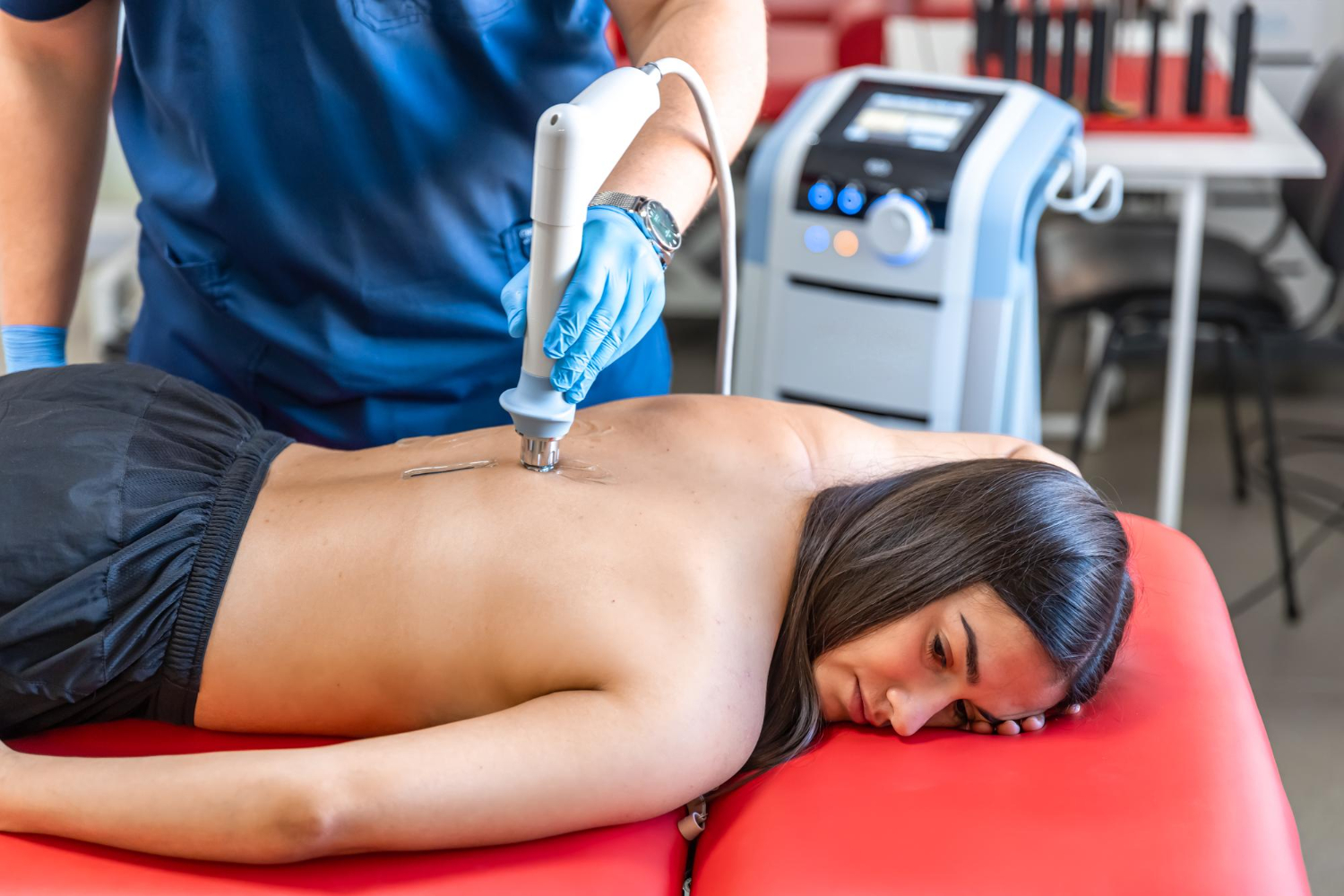
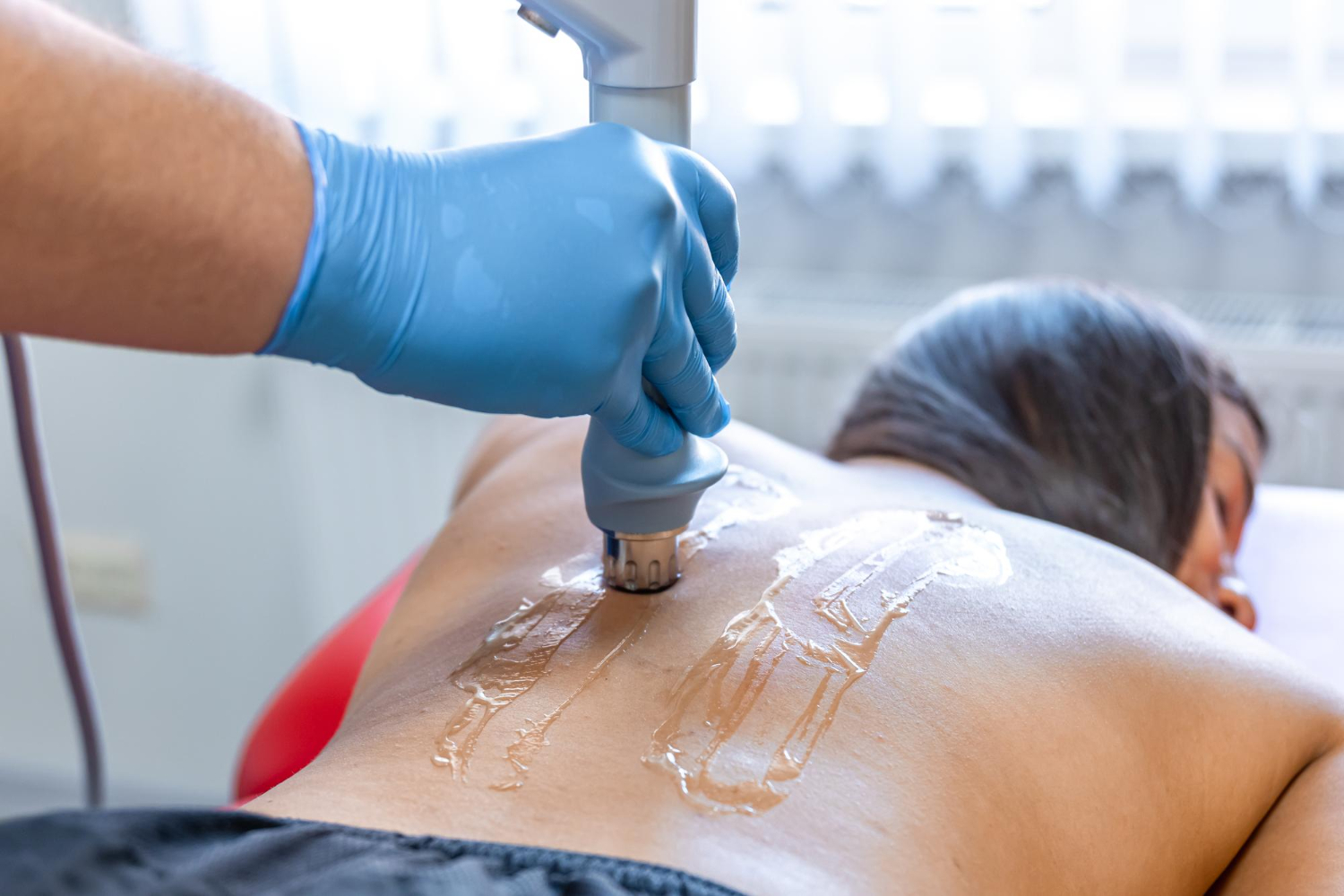
Iovera is a small handheld device. It sends focused cold through tiny needle tips placed near a pain nerve. The cold zone drops below -20°C.
That cold stops the nerve from sending pain signals for a while. Over time, the nerve grows back and works the way it did before. Nothing is injected, so no drug enters your body.
You may hear two medical names for this. Cryoneurolysis means using cold to pause a nerve. Cryoanalgesia means using cold to ease pain.
Think of a nerve like a wire that carries a loud signal. Iovera turns down the volume on that one wire.
Here's how it works, step by step:
- Your provider finds the nerve that carries your pain.
- The device places focused cold near that nerve through small needle tips.
- The nerve stops sending pain signals until it heals.
What Does the Research Say about Iovera?
The strongest proof for Iovera comes from knee arthritis studies. Research in other areas is newer and still growing. Here's where the evidence stands.
Knee arthritis. A2017 study compared Iovera to a fake treatment in people with mild to moderate knee arthritis. Neither the doctors nor the patients knew who got which. People treated with Iovera had less knee pain and better symptoms for up to 150 days. The treatment also appeared safe and well tolerated.
At 90 days, about 8 in 10 treated people had meaningful pain relief. That compared with a little over half after the fake treatment.
Before knee replacement. Some people get Iovera before knee replacement surgery. The maker of Iovera reports these patients asked for 45% fewer opioid prescriptions. That was measured 12 weeks after surgery.
Low back pain. The FDA cleared a new Iovera tip for low back pain in January 2025. A small study followed patients for 12 months and compared Iovera to radiofrequency ablation, another nerve treatment. The maker reports fewer Iovera patients needed more treatment. This research is still early.
Results vary from person to person. Iovera has the most support for knee pain. For other areas, the research is still early.
Knee arthritis: A randomized study compared it to a fake treatment (2017). It found less pain and better symptoms for up to 150 days. This is the strongest evidence so far.
Before knee replacement: Data from the maker showed 45% fewer opioid prescriptions at 12 weeks. These results are reported by the maker.
Low back pain: A small early (pilot) study ran for 12 months. Fewer patients needed more treatment than with another nerve treatment. These results are early and reported by the maker.
How Long Does Iovera Last, and How Soon Does It Start Working?
Many people feel relief right after treatment. The maker of Iovera says relief can last about three months. In some cases, it lasts longer.
Relief wears off because the nerve heals. As it grows back, it starts sending pain signals again. Some clinics repeat treatment about every 90 days when needed. Our team will talk with you about whether more sessions may help.
Those months of relief are a good time to get moving. Use them for physical therapy, walks, and daily activity. Our guide totreatments used in chronic pain management clinics covers movement plans that pair well with relief.
Here's what the timeline often looks like:
Day 1: Relief can start right after treatment.
The next few weeks: The nerve stays quiet, so you can keep up with therapy and activity.
Around three months: The nerve heals, and relief starts to fade. For some people, relief lasts longer.
Who is a Good Fit for Iovera, and Who Isn't?
Iovera isn't right for everyone. Before any treatment, our providers review your full medical history. That review shows whether Iovera is a safe choice for you.
You may be a good fit if you:
- Have knee pain from arthritis
- Have a knee replacement coming up
- Want pain relief without opioids
- Have localized or nerve-related pain that hasn't eased with standard care
Iovera is not for people who have:
- Cryoglobulinemia: blood that thickens in the cold
- Paroxysmal cold hemoglobinuria: a rare blood condition where cold triggers the immune system to destroy red blood cells
- Cold urticaria: itchy hives that form when skin is exposed to cold
- Raynaud's disease: blood vessels in the hands and feet narrow in the cold
- Open or infected wounds at or near the treatment area
Iovera also isn't a cure for arthritis. It doesn't repair joint damage. It quiets pain for a while so you can stay active.
What to Expect Before, During, and After Treatment
Knowing what happens on treatment day can put you more at ease. Here's how a visit usually goes.
Before. Tell us about any past surgery, injury, or treatment in the area. Let us know if you've had keloid scars, a reaction to lidocaine, or sensitivity to cold. Bring a list of the medicines you take. Wear clothes that make the area easy to reach, like shorts for knee treatment.
During. We numb the skin and the area around the nerve first. You may feel pressure, cold, warmth, or tingling. The treatment shouldn't be painful, so tell us right away if it hurts. Sessions are fairly short, and length depends on how many nerves need treatment.
After. Many people notice relief right after treatment. Iovera doesn't need an IV or sedation, so many people can drive themselves home. Pressing on the area and using a cold pack can limit swelling or bruising. At home, keep the treatment area clean and dry.
Your treatment-day checklist:
Before: Share your health history, bring your medicine list, and wear easy-access clothing.
During: The area is numbed first. Speak up if anything hurts.
After: Use pressure and a cold pack as needed, and keep the area clean and dry.
Iovera Side Effects and Safety
Most side effects of Iovera stay at the treatment site. They are usually mild, and most go away within about a month. Common reactions include:
Bruising
Swelling
Redness or irritation
Pain or tenderness
Altered feeling at the treatment site
The cold can also cause a frostbite-like mark on the skin. Because a needle breaks the skin, there is a small risk of infection.
Nothing is injected into your body during Iovera. That means you avoid the side effects that come with pain pills. Our guide to thebest painkillers for long-term chronic pain explains those side effects.
Call our clinic if:
A reaction gets worse instead of better
You notice spreading redness, warmth, or drainage at the site
You have any questions about how you feel after treatment
How Much Does Iovera Cost, and Does Insurance Cover It?
The cost of Iovera depends on how many nerves need treatment. Call our clinic to ask about pricing for your situation.
Many insurance plans don't cover Iovera for knee pain yet. Medicare has no national coverage rule for it, so coverage depends on local rules and your plan. Check with your plan and our clinic before you book.
When you compare costs, include what you spend now on ongoing pills and shots.
Questions to ask when you call:
How many nerves will be treated?
What is the total cost of the visit?
Does my insurance or Medicare plan cover Iovera?
Will I owe anything out of pocket?
Iovera Pain Relief in Jerome
AtCentral Idaho Wellness Center, our care connects services instead of treating symptoms on their own. Iovera can work alongside other therapies in your pain plan. Our team reviews your full history, then helps you decide what to keep, adjust, or add.
Iovera can pair with our otherpain relief options. Your provider can talk through which ones make sense for you.
We serve patients from Jerome and across the Magic Valley.Call us to book a visit today!