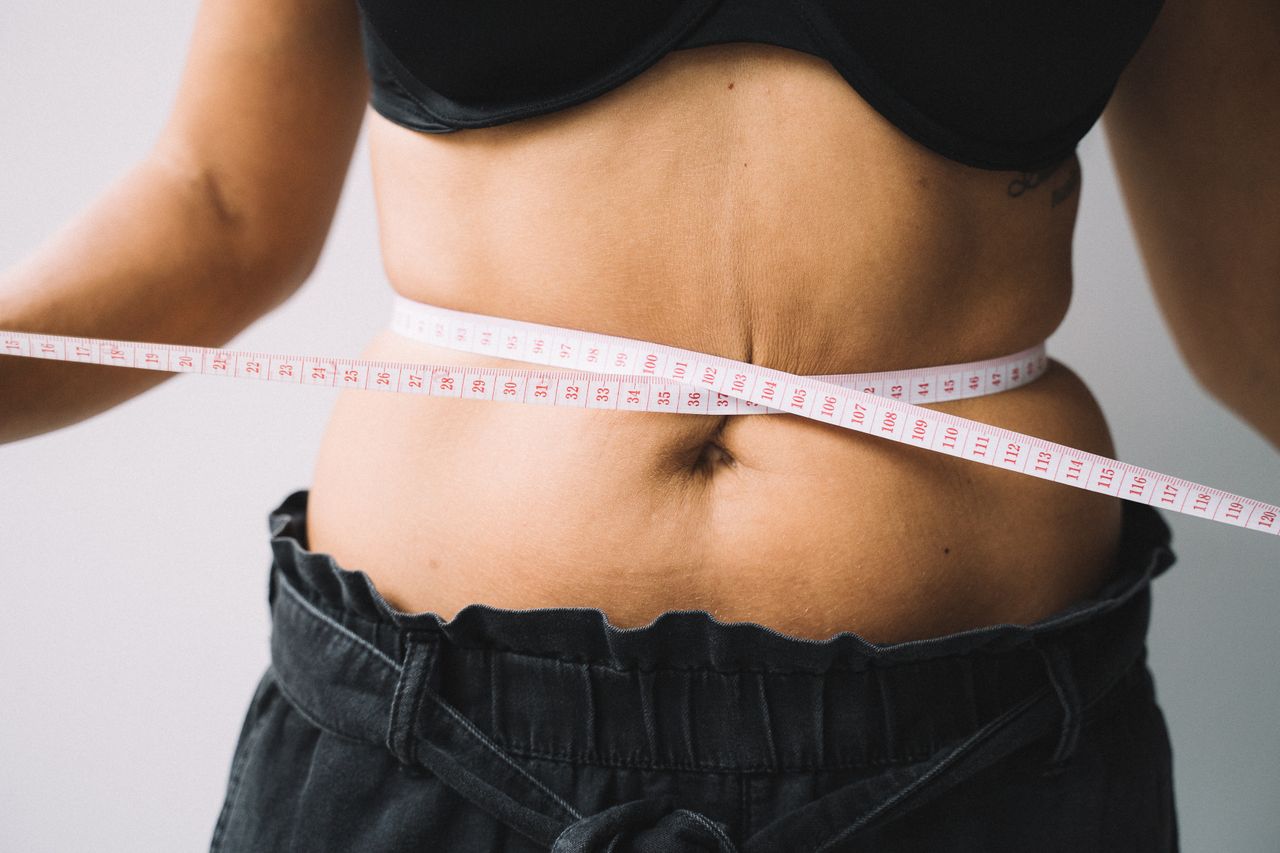
You eat salads all week and skip dessert. Your jeans still feel tight around the middle. That is frustrating, and it happens to a lot of people.
Here is the honest truth: no food burns belly fat on its own. Not lemon water, not green tea, and not apple cider vinegar. But some foods make a flatter middle much easier to reach over time.
This guide answers a simple question: what foods help flatten your tummy? You will learn which foods to eat and which ones work against you. You will also see how to build easy meals around them.
First, we cover what food can and can't do for belly fat. Then you get our list of foods to eat and foods to limit. Next comes a simple plate plan for everyday meals. Last, we explain what to do when diet alone isn't helping your weight loss.
What Foods Help Flatten Your Tummy?
No single food melts belly fat, but some foods help flatten your tummy over time. They keep you full longer and help steady your blood sugar. The best choices are:
High-fiber foods: beans, lentils, oats, berries, and veggies
Lean protein: eggs, chicken, fish, and plain Greek yogurt
Healthy fats: avocado, nuts, olive oil, and salmon
Probiotic foods: yogurt, kefir, and sauerkraut
Water in place of soda or juice
Cut back on sugary drinks, white bread and other refined carbs, fried foods, and alcohol. These foods work best when you pair them with daily movement, good sleep, and lower stress.
Can Food Really Flatten Your Stomach?
You can't choose where your body loses fat. In one study, people did ab workouts five days a week for six weeks. Their belly fat didn't shrink. When you lose fat, your body takes it from all over.
There are two kinds of belly fat. Subcutaneous fat sits just under your skin. Visceral fat sits deeper, around your organs. Visceral fat is the riskier kind and is linked to heart disease and type 2 diabetes.
Subcutaneous fat
Where it sits: Just under the skin
Can you pinch it? Yes, it feels soft
Health risk: Lower
Visceral fat
Where it sits: Deep in the belly, around your organs
Can you pinch it? No, it's deep inside your belly
Health risk: Higher
Bloating is not the same as belly fat. Bloating is a feeling of fullness or swelling, often from gas or extra fluid. Belly fat builds slowly and takes steady habits to lose. Some foods help with bloating, some help with fat, and a few help with both.
What you eat still plays a big part in shrinking your waist over time. Food can't spot-reduce fat, but it can help in other ways, which the next section covers.
Foods That Help Flatten Your Tummy
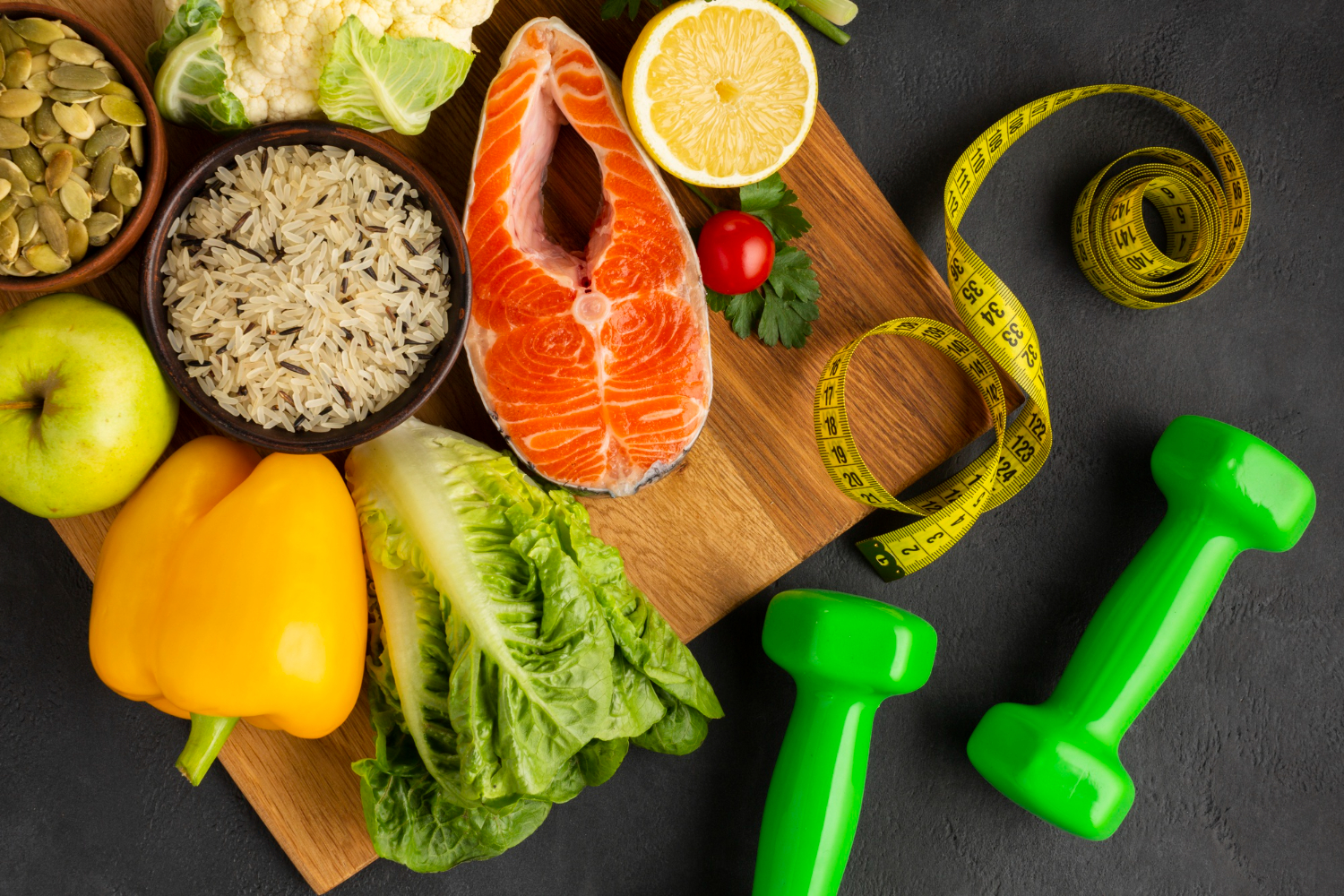
The foods below help you feel full longer, so you eat less without feeling hungry all day. Here's what to put in your cart this week.
Soluble fiber. Beans, lentils, oats, chia seeds, apples, and Brussels sprouts are good sources. Soluble fiber turns to gel in your gut and slows digestion, which keeps you full. In a five-year Wake Forest study, people who ate more soluble fiber gained visceral fat more slowly.
Add fiber a little at a time and drink plenty of water. A sudden jump in fiber can cause gas and bloating.
Protein at every meal. Protein helps you feel full after you eat. Studies show it also helps protect your muscle while you lose weight. Try eggs at breakfast and chicken or fish at lunch.
Healthy fats. Salmon, nuts, avocado, and olive oil are better fat choices than butter. Use small portions, since all fats are high in calories.
Probiotic and fermented foods. Yogurt, kefir, and sauerkraut support the good bacteria in your gut. They may ease bloating for some people, but research is still mixed.
Water-rich produce. Cucumbers, berries, and leafy greens are low in calories. They add water and fiber, so your plate fills up without many extra calories.
Soluble fiber (beans, lentils, oats, chia, apples, Brussels sprouts): Keeps you full and is linked to slower visceral fat gain.
Protein (eggs, chicken, fish, plain Greek yogurt): Helps keep you satisfied and protects muscle mass.
Healthy fats (salmon, nuts, avocado, olive oil): A healthier alternative to saturated fats like butter.
Probiotic foods (yogurt, kefir, sauerkraut): Support gut health and may help reduce bloating.
Water-rich produce (cucumber, berries, leafy greens): Adds fullness with relatively few calories.
Easy swap to try: Trade flavored yogurt for plain Greek yogurt with berries and a spoonful of chia. You get more protein and fiber with less added sugar.
Adding the right foods is half the job. The other half is knowing what to limit.
Foods and Drinks That Make Belly Fat Harder to Lose
You don't have to give these up forever. But cutting back gives the good foods on your plate room to work. Start with the ones you have most often.
Sugary drinks and fruit juice: They add lots of sugar without filling you up. In the Framingham Heart Study, people who drank them daily gained more visceral fat.
Refined carbs: White bread, pastries, and sweet cereal are low in fiber. That means they don't keep you full for long.
Deep-fried foods: They pack a lot of calories into small portions. High-fat meals also digest slowly and can leave you feeling bloated.
Alcohol: Beer and mixed drinks add calories. Drinking can also lead you to eat more.
Some foods don't add fat but can still puff up your stomach. Common bloat triggers include:
Carbonated drinks like soda and beer
Salty processed foods like chips, deli meats, and canned soup
Sugar-free candy and gum made with sugar alcohols such as sorbitol and xylitol
For simple swaps on each of these, see our guide tofoods to avoid when trying to lose weight.
How to Build a Flat-Tummy Plate
Food lists help at the store. A simple plate plan helps at the table. This one builds on the CDC's plate method, so you won't need to count every calorie.
Half your plate: veggies like broccoli, green beans, and salad greens
A quarter: lean protein like chicken, fish, or eggs
A quarter: fiber-rich carbs like beans, lentils, brown rice, or oats
A small amount: healthy fat like olive oil, avocado, or nuts
Here's what a day can look like with everyday groceries:
Breakfast: Oatmeal with berries and chia seeds, plus two eggs
Lunch: A big salad with grilled chicken, black beans, cucumber, and olive oil dressing
Snack: An apple with a small handful of nuts
Dinner: Baked salmon, roasted Brussels sprouts, and a small scoop of brown rice
Small swaps add up over weeks. Try one or two at a time so they stick. Our guide tothe three C's of weight loss shows how to keep new habits going.
Instead of soda, try plain water or unsweetened iced tea.
Instead of fruit juice, try a piece of whole fruit.
Instead of white rice, try beans or brown rice.
Instead of sweet cereal, try oats with berries.
Instead of chips, try a handful of nuts.
The best snacks pair protein with fiber. That combo keeps you full until your next meal. Good options include Greek yogurt with berries, hummus with cucumber slices, or a hard-boiled egg with baby carrots.
Why Food Alone Isn't Always Enough
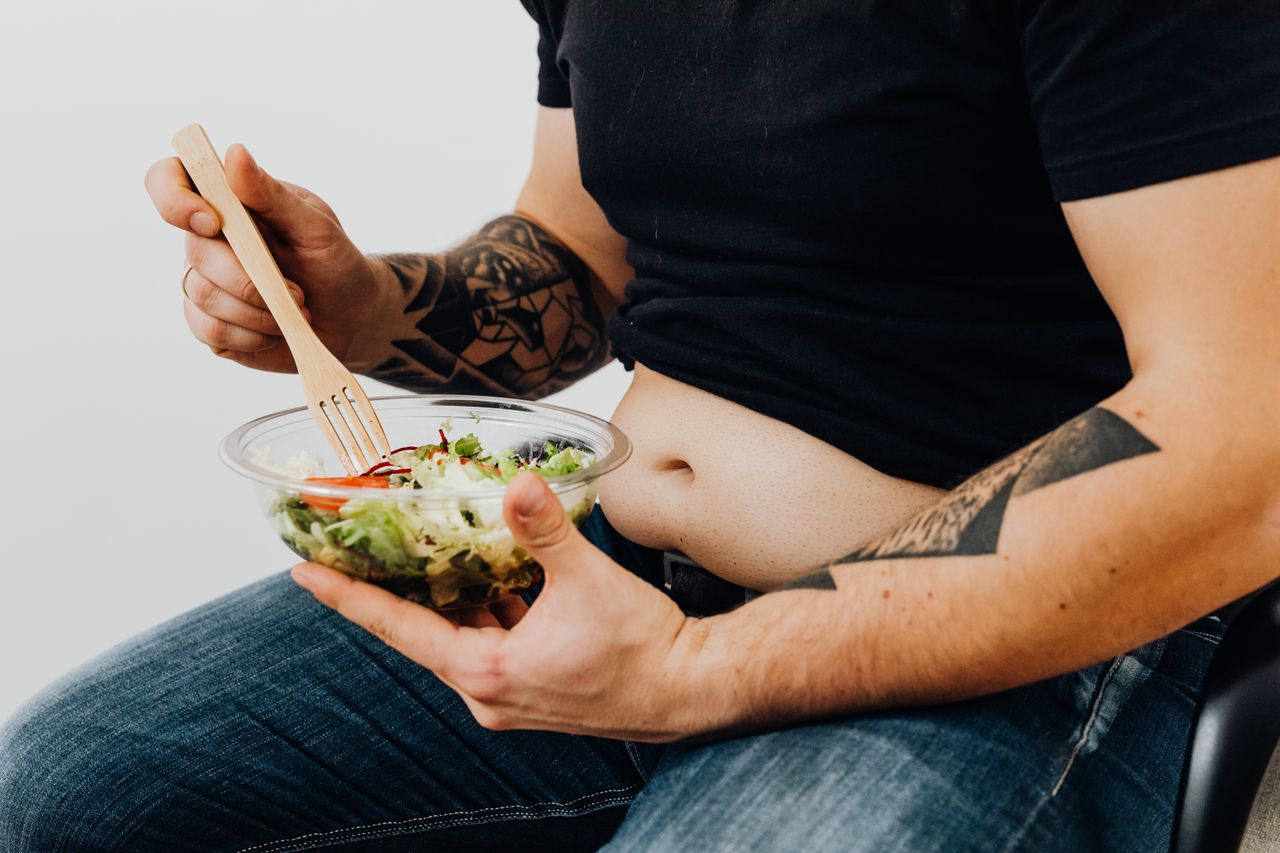
If you're already eating this way and your waist won't budge, something else may be in play. Food is one piece of the puzzle. Your sleep, stress, hormones, and muscle all play a part too.
Sleep and stress. Ongoing stress raises cortisol, a stress hormone. Research links higher cortisol to more fat around the middle. Short sleep also raises your hunger hormones, so you may eat more the next day.
Hormone shifts with age. Hormones change as you get older, especially for women around menopause. As estrogen drops, the body tends to store more fat around the belly instead of the hips and thighs.
Insulin resistance. With insulin resistance, your body doesn't respond to insulin the way it should. This can lead to higher blood sugar and weight gain. The National Institute of Diabetes and Digestive and Kidney Diseases lists a large waist size as a risk factor. A provider can order blood tests to check for prediabetes.
Muscle loss. Most people lose muscle as they age. Muscle burns calories even at rest, so less muscle means your body needs fewer calories. The CDC recommends strength training at least two days a week.
It may be time to talk with a provider if:
You've eaten well for months, and your waist hasn't changed
You've been told you have prediabetes or high blood sugar
You feel tired often or sleep poorly most nights
You're going through menopause or other hormone changes
You want a plan built around your body, not general tips
Weight Loss Support in Jerome, ID
When good food choices aren't enough on their own, our team atCentral Idaho Wellness Center can help. We offer weight loss support in Jerome, ID, built around your body and your goals.
A weight loss visit with us can include:
A weight loss consultation to review your health, habits, and goals
Lab work, when it fits your situation
Weight loss coaching and nutrition guidance
Weight loss injections, including Semaglutide, a prescription option prescribed and monitored by trained professionals
Vitamin B12 injections
Generic tips treat everyone the same. Your plan starts with your health history, your daily routine, and what you've already tried. That way, it fits your real life instead of someone else's.
We serve Jerome and nearby Magic Valley towns, including Twin Falls and Wendell. You'll find our clinic at 868 E Main St, Jerome, ID 83338.
Ready for a plan built for you? Call us at (208) 613-3437 or contact us through our online form to get started!