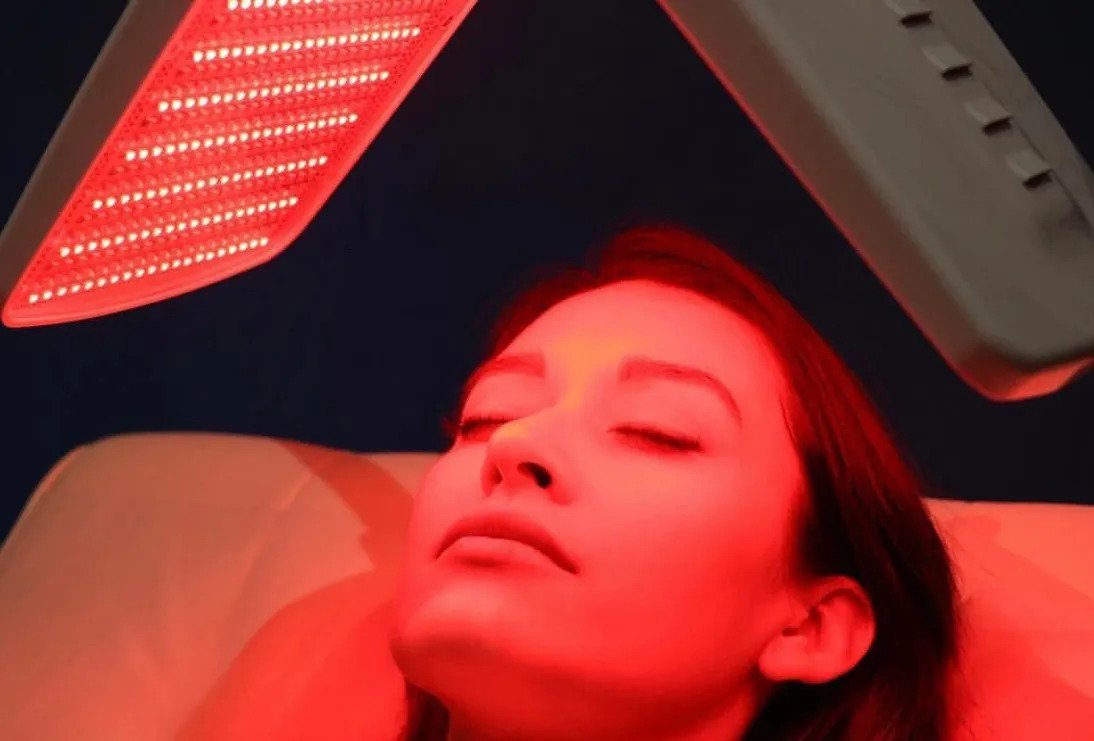
Health & wellness tips
What Does Red Light Therapy Actually Do? How It Works, What It Helps, and What to Expect
You have seen the red glow at gyms, spas, and all over social media. Some people call red light therapy a miracle. Others call it a scam. The truth sits somewhere in the middle.
Red light does something real at the cell level, but it isn't magic. Before your first session, it's fair to ask a simple question. What is that light actually doing to your body?
This guide explains what red light therapy does inside your cells. You'll see what it may help with and what it can't do. If you live in Jerome or anywhere in the Magic Valley, this is a good place to start.
First, we'll walk through how the light works in three simple steps. Then we'll show where the research is strong and where it is still early. After that, we'll cover safety so you can decide if it fits you.
What Exactly Does Red Light Therapy Do?
Red light therapy shines low-level red and near-infrared light onto your skin to support how your cells work. The light has no UV rays, so it won't tan you the way the sun can.
Your cells absorb the light, mostly in the mitochondria. These are the tiny parts of each cell that make energy. Research suggests the light helps cells make more energy and send signals that support repair.
Red light therapy may help:
- Improve the look of skin, like fine lines and age spots
- Ease muscle soreness and support recovery
- Calm inflammation and aches
- Support healthy circulation
Results build over several sessions, not one. Research is still growing, so red light works best as part of a bigger wellness plan.
What Red Light Therapy Is (and What It Isn't)
Red light therapy goes by a few other names. You may see it called photobiomodulation, or PBM for short. You may also see low-level light therapy, or LLLT.
The therapy uses two kinds of light. Red light works closer to the surface of your skin. Near-infrared light reaches deeper into your body.
Red light
- What you see: A deep red glow
- How deep it reaches: Near the skin's surface
- Common uses: Skin goals
Near-infrared light
- What you see: Little or no visible light
- How deep it reaches: Deeper than red light
- Common uses: Muscle soreness and recovery goals
It also helps to know what red light therapy is not. It isn't UV light, and it isn't a tanning bed. It isn't an infrared sauna either, which works by heating your body.
You can get red light from panels, beds, masks, and pads. At our Jerome clinic, we use specialized panels.
Now that you know what red light therapy is, let's look at what happens inside your cells.
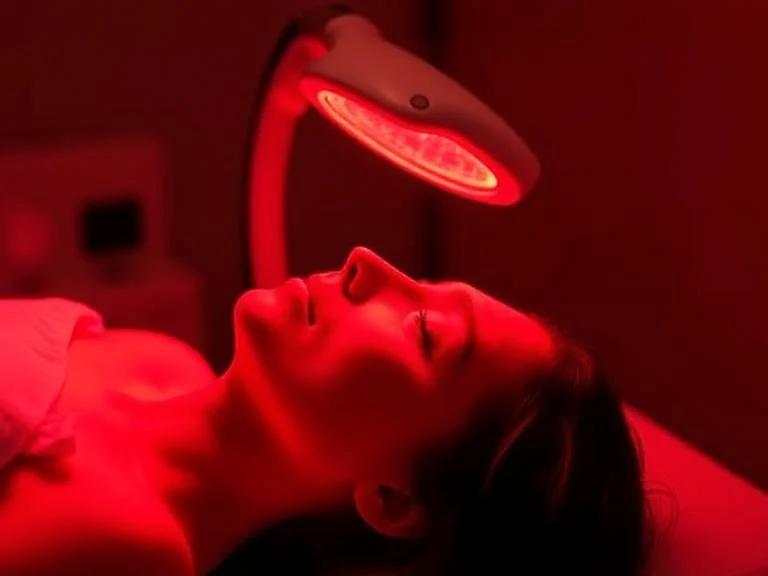
How Does Red Light Therapy Work? 3 Simple Steps
Red light therapy works through a chain of small changes inside your cells. Here is how that chain plays out, one step at a time.
1. Your cells absorb the light
Inside each cell are tiny energy makers called mitochondria. One part of them, called cytochrome c oxidase, catches red and near-infrared light. Think of it as a small antenna tuned to these colors.
2. Your cells make more energy
Once the light is absorbed, cells can make more ATP. ATP is the fuel your cells use to do their work. Cells may also send signals that help calm inflammation and protect themselves.
3. Your body responds
Those changes may support healing, recovery, and calmer inflammation. Results tend to build over a series of sessions, not after one visit.
Scientists are still studying exactly how this process works. In 2023, the National Institute on Aging held a workshop on that very question. We think you deserve to know what is proven and what is still being learned.
Knowing how it works is one thing. Here's where the research says it may actually help.
What Red Light Therapy May Help With
Red light therapy is used for a few common goals. Some have more research behind them than others. Here is an honest look at each one.
Skin: Red light may improve acne and signs of sun-related aging. This is the most studied use so far.
Muscle soreness: It may ease soreness after exercise and support recovery.
Inflammation and aches: It may calm inflammation and general aches. Its use for pain is still being studied.
Circulation: It may support healthy blood flow in the treated area.
Skin (acne, sun aging)
What research says: The most studied use so far
Evidence: Stronger
Muscle soreness and recovery
What research says: Small studies show less soreness; larger studies are needed
Evidence: Growing
Inflammation and aches
What research says: Still under study for pain
Evidence: Early
Circulation
What research says: Linked to blood flow, with more work needed
Evidence: Early
Emerging research: Scientists are also studying red light for hair growth and for mood. Some cancer centers use it in a specialized way for mouth sores during treatment. These uses are early or specialized, so treat them as research, not a promise.
Everyone comes to red light with a different goal. At our Jerome clinic, your first step is a talk about your concerns and your health history. That way your sessions match what you want to work on.
Pairing light with other recovery care? Learn about our PEMF therapy.
What to Realistically Expect (and What it Can't Do)
Red light therapy works best when you give it time. One session won't change much on its own. Most plans use a series of sessions spread over several weeks.
It's also a support tool, not a cure. Red light doesn't replace care from your doctor or any treatment you already need. Results vary from person to person, based on your goal and how often you come in.
Plan for cost, too. Insurance usually doesn't cover red light therapy, so ask about pricing before you start.
Do expect
- A series of short sessions
- Gradual changes over weeks
- Results that depend on your goal
- To pay out of pocket in most cases
Don't expect
- Big changes after one visit
- A cure for a health condition
- The same results as someone else
- Insurance to cover it
The steadier you are with your sessions, the better you can judge whether red light is working for you. Our team checks your progress along the way.
Is Red Light Therapy Safe?
If you're thinking about trying it, safety is the next question to answer. When used short-term and as directed, red light therapy appears to be safe. It uses no UV light, and it doesn't break the skin. Sessions are painless.
Check with a provider first if you:
- Take medicines that make your skin sensitive to light
- Are pregnant
- Are going through cancer treatment
Like any light-based treatment, it needs to be used the right way. Protect your eyes during sessions. Too much exposure can irritate or even burn the skin.
The long-term safety of red light devices isn't known yet. That's one reason a guided session can help. Before you start, our team reviews your health history and tailors our recommendations to you.
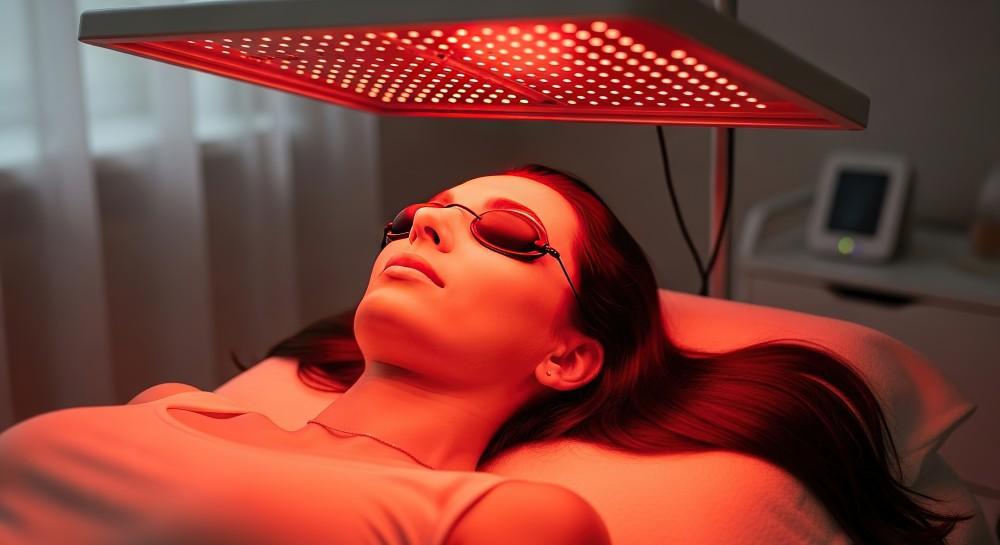
Clinic Sessions vs. At-Home Devices
You can buy red light devices for home, and some people use them. But home devices vary in strength and quality, and they're often less powerful than clinic equipment. It can be hard to tell what you're getting from the box.
A clinic session works differently. You get a plan built around your goal and a set schedule to follow. We check your progress after a few rounds, so you can see if it's helping.
At our clinic, red light can also be part of a bigger plan. Our team may suggest pairing it with other services we offer, such as PEMF therapy or hyperbaric oxygen therapy. If you're curious about the first one, read our guide on how PEMF therapy works.
Clinic sessions
Guidance: Our team builds your plan
Strength: Specialized panels
Cost: Usually paid out of pocket
Convenience: Scheduled visits
At-home devices
Guidance: You figure it out on your own
Strength: Often less powerful
Cost: One upfront purchase
Convenience: Use any time at home
Already own a home device? Bring it up at your first visit. Ask our team what makes sense for your goal.
Red Light Therapy at Our Wellness Center in Jerome
At Central Idaho Wellness Center, red light therapy sessions last about 10 to 20 minutes. You relax under specialized panels while the light does its work. Most plans use a series of sessions, not just one.
Here is how it works with us:
Initial discussion: You share your skin or fatigue concerns, and we review your health history. Together, we decide if red light fits your goals.
Personalized sessions: You spend a short time under the panels as part of a recommended series.
Ongoing review: After a few rounds, we check your progress and adjust your plan as needed.
Red light can also be part of a bigger plan. Our team may suggest pairing it with other services we offer, such as PEMF therapy or pain relief care.
Ready to try it? Call us at (208) 613-3437 or send a message through our online form to get started!