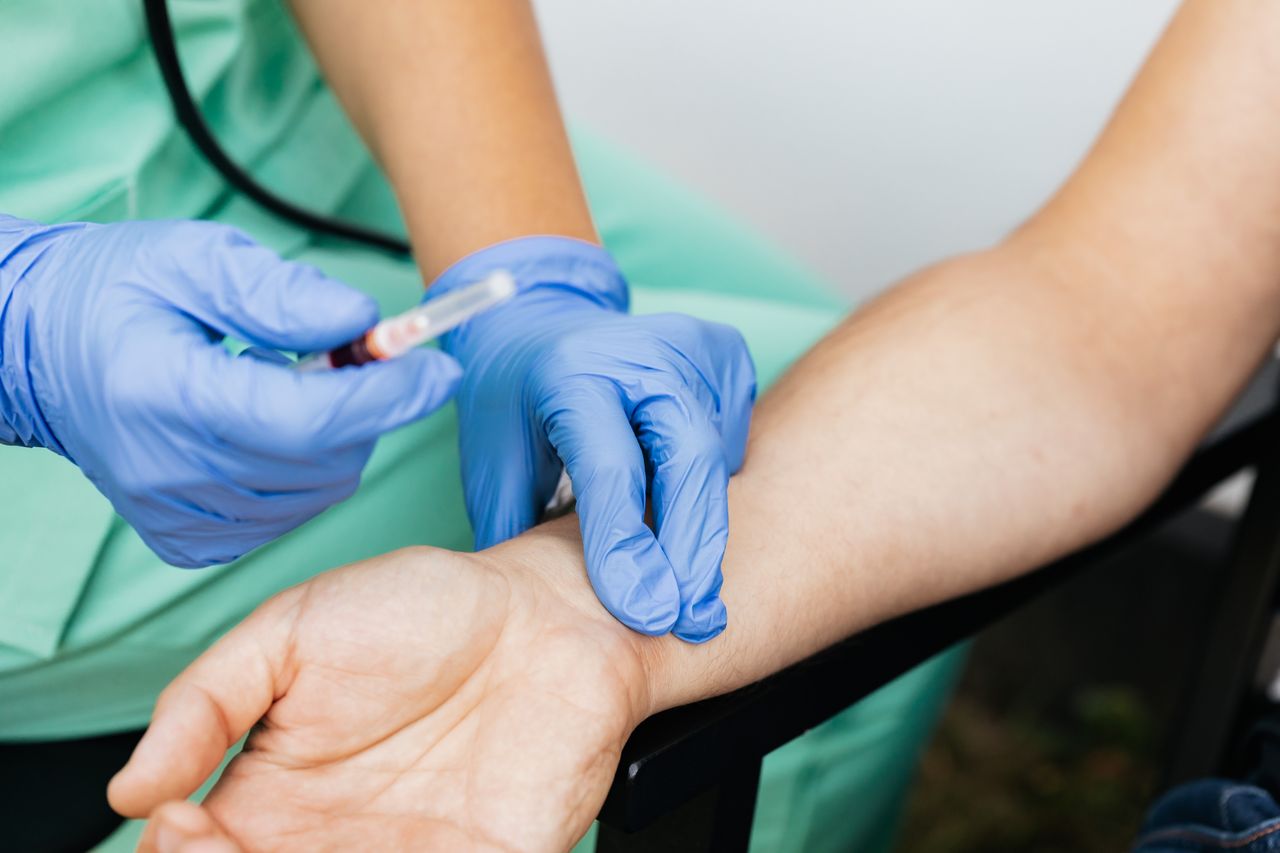
You get the lab slip, roll up your sleeve, and head home. A week later, you're looking at a page full of letters like CBC, CMP and TSH. What did they actually test?
Maybe you asked for labs because you feel tired all the time. Maybe your thinking feels foggy, or your weight won't budge. Or maybe you just want to know where your health stands today. Lab work gives you real numbers in place of guessing.
Here's what standard lab work includes, what each test checks, and how to get ready. We'll start with the most common blood tests. Then we'll cover tests your provider may add and what labs can't show. We'll finish with simple prep tips and questions to ask about your results.
AtCentral Idaho Wellness Center, we use your lab results to guide personalized recommendations. That way, your next step comes from your own numbers.
What Does Routine Lab Work Include?
Lab work usually includes a few standard blood tests that your provider picks based on your health and goals. The most common are:
- Complete blood count (CBC): checks your red cells, white cells and platelets
- Metabolic panel (CMP): checks blood sugar, kidney and liver function, and electrolytes
- Lipid panel: checks cholesterol and triglycerides
- Hemoglobin A1C: shows your average blood sugar over the past 2 to 3 months
- TSH: checks how well your thyroid is working
Your provider may add tests for vitamin D, iron, B12 or hormones. Some tests need fasting, and many don't. Our team will let you know when you schedule.
What is Lab Work, and Why Does it Matter?
Lab work means testing a small sample of your blood, and sometimes your urine. A lab measures what's in the sample. Your provider then compares your numbers to a reference range.
Labs can show changes in your body before you notice any symptoms. They can also help confirm or rule out a problem once symptoms show up. Either way, you and your provider get facts to work from.
A normal result is useful too. It can help rule out some causes and narrow the search. Over time, your results also show trends, so your provider can compare new numbers with past ones.
Lab work usually falls into two groups:
Screening: tests done when you feel fine, to look for signs of a problem early
Diagnostic: tests done to find the cause of a symptom you already have
The Most Common Blood Tests in Routine Lab Work
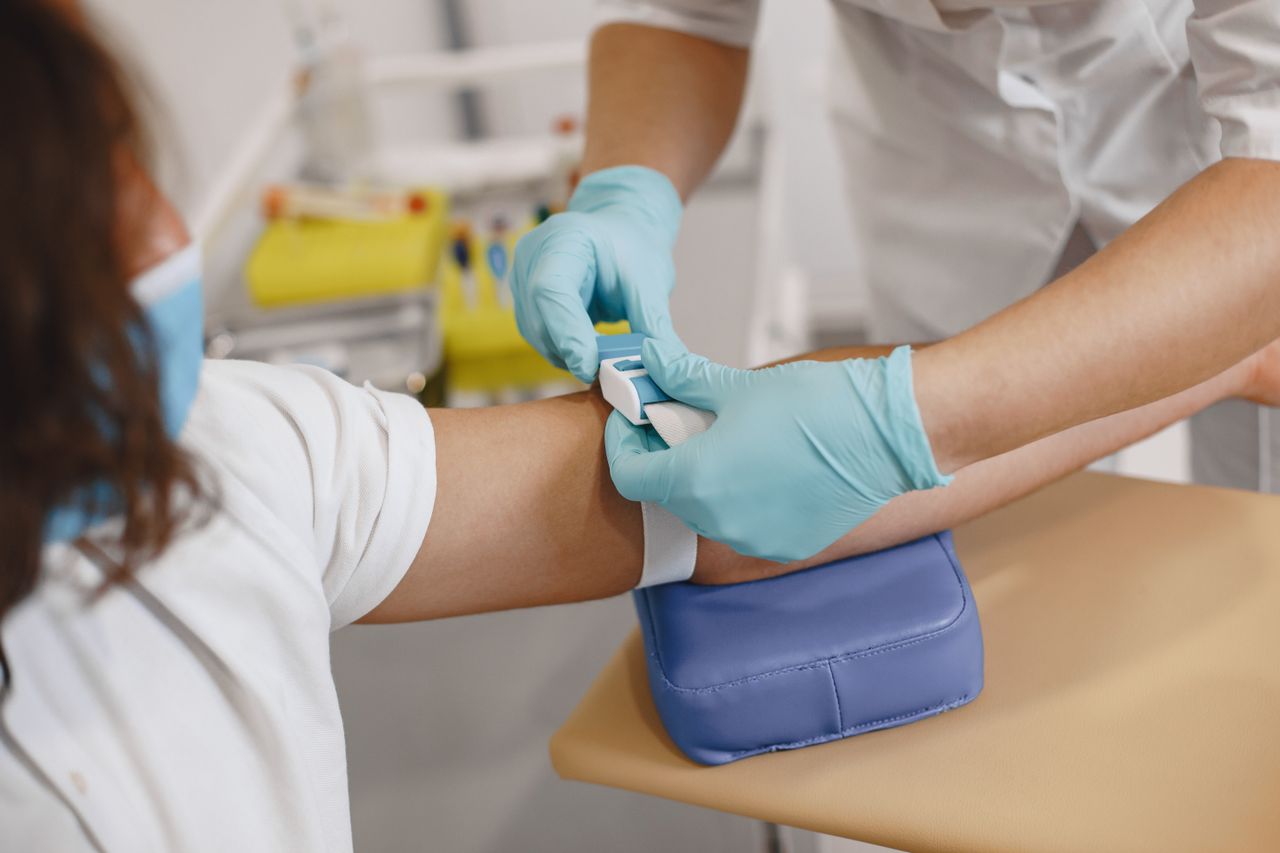
Most routine lab work starts with the same handful of tests. Each one looks at a different part of your health. Here's what they check.
Complete blood count (CBC). A CBC measures the number and size of the cells in your blood. That includes red cells, which carry oxygen, and white cells, which fight infection. It also counts platelets, which help your blood clot.
Comprehensive metabolic panel (CMP). A CMP measures 14 different substances in your blood. Together, they show your blood sugar, fluid and electrolyte balance, and how well your kidneys and liver are working. A basic metabolic panel (BMP) is a shorter version that leaves out the liver and protein tests.
Lipid panel. This test checks the fats in your blood. It measures HDL ("good") cholesterol, LDL ("bad") cholesterol and triglycerides.
Hemoglobin A1C. A1C shows your average blood sugar over the past 2 to 3 months. A single glucose test only shows one moment in time.
Thyroid-stimulating hormone (TSH). TSH shows whether your thyroid may be overactive or underactive. Your thyroid helps control how your body uses energy.
CBC: This test checks your red cells, white cells, and platelets. It's often ordered to look for signs of anemia or infection. No fasting is needed.
CMP: This test checks your blood sugar, electrolytes, kidneys, and liver. It gives a picture of your overall body chemistry. Fasting is often needed.
Lipid panel: This test checks HDL, LDL, and triglycerides. It's often ordered to check your heart disease risk. Fasting is often needed.
A1C: This test checks your average blood sugar over 2–3 months. It's often ordered to screen for diabetes. No fasting is needed.
TSH: This test checks how your thyroid is working. It's often ordered for thyroid symptoms, like tiredness. No fasting is needed.
Your provider picks the tests that fit you. If any of them need fasting, our team will tell you when you schedule.
Other Tests Your Provider May Add
Those are the basics. Depending on how you feel, your provider may add a few more.
Vitamin D: helps your body keep bones strong
Vitamin B12: helps your body make red blood cells and keep nerves healthy
Iron and ferritin: show how much iron your body has stored to make healthy red blood cells
Hormone profiles: check levels of hormones such as estrogen and testosterone
Full thyroid panel: adds T3 and T4 to TSH for a closer look at your thyroid
Vitamin D testing isn't right for everyone. There isn't enough evidence to say whether adults with no symptoms should be screened. Your provider can help you decide if it makes sense for you.
Is there one test that checks for everything? No. No single panel covers every part of your health. Your provider picks tests based on your symptoms, history and goals.
Lab work is also part of ourwhole-person mental health care. There, your results help guide a plan that fits you.
What Routine Lab Work Can't Tell You
Lab work tells you a lot, but not everything. Here's where it stops.
Does cancer show up in routine blood work? Not on its own. Routine blood tests can't diagnose cancer on their own, but abnormal results can give your provider clues. A biopsy is usually needed to diagnose or rule out cancer.
A CBC can sometimes show signs of a blood cancer, like leukemia. Tumor marker tests are most often used after someone has already been diagnosed. Blood tests that screen healthy people for many cancers at once are still being studied.
That's why labs are one piece of the picture. Your provider looks at your results together with your health history and a physical exam.
Labs can show:
- Signs of anemia or infection
- Your blood sugar and cholesterol levels
- How your kidneys, liver and thyroid are working
- Changes over time compared with past results
Labs usually can't show:
- A cancer diagnosis on their own
- Every health problem in one test
- The full cause of a symptom without an exam

How Do You Prepare for Lab Work?
Once you know what's being tested, getting ready is simple. For many tests, you don't need to do anything special.
Can you drink water before blood work? Yes.Plain water is fine, even when you're fasting.
Fasting means no food or drink except plain water, usually for 8 to 12 hours. That means no coffee, juice or soda. Blood sugar tests, lipid panels and metabolic panels often need fasting. Many other tests, like a CBC or A1C, don't.
Cholesterol tests often need fasting, but not always. Your provider will tell you what applies to you, and our team explains your prep when you schedule.
Do:
Drink plain water
- Book a morning draw if you need to fast
- Bring a snack for after your draw
- Follow your provider's instructions
Don't:
- Eat or drink anything but water while fasting
- Chew gum, smoke or exercise during your fast
- Stop taking any medicine unless your provider tells you to
Questions to Ask about Your Lab Results
Your results are easier to understand when you know what to ask. Bring these questions to your visit, or jot them down before you call.
Why are you ordering this test? Knowing the reason helps you understand what your results mean.
Do I need to fast? Some tests need it and many don't, so ask before your draw.
When will I get my results, and who will explain them? That way, you know what to expect and who to call.
What does "out of range" mean for me? A number outside the reference range doesn't always mean something is wrong.
What are the next steps if something is off? You might need a retest, a follow-up visit or a change to your care plan.
At Central Idaho Wellness Center, results lead into next steps. Our team explains what your markers mean and how they relate to diet, supplements or other services.

Lab Work in Jerome at Central Idaho Wellness Center
Lab work at our Jerome clinic follows three simple steps:
Consultation: We review your history, symptoms and goals to choose your tests.
Testing: We coordinate labs that meet professional standards for the markers that matter to you.
Results and next steps: We explain what your markers mean and how they relate to diet, supplements or other services.
Our services are designed to work together under one roof. Lab work is part of thatwhole-person care, including our mental health and wellness program.
Many lab tests may be covered, depending on your plan. Our office can review your coverage and possible out-of-pocket costs.
We serve Jerome and the rest of the Magic Valley. Ready for a clear picture of your health?/services/lab-workCall (208) 613-3437 to schedule your lab work today!