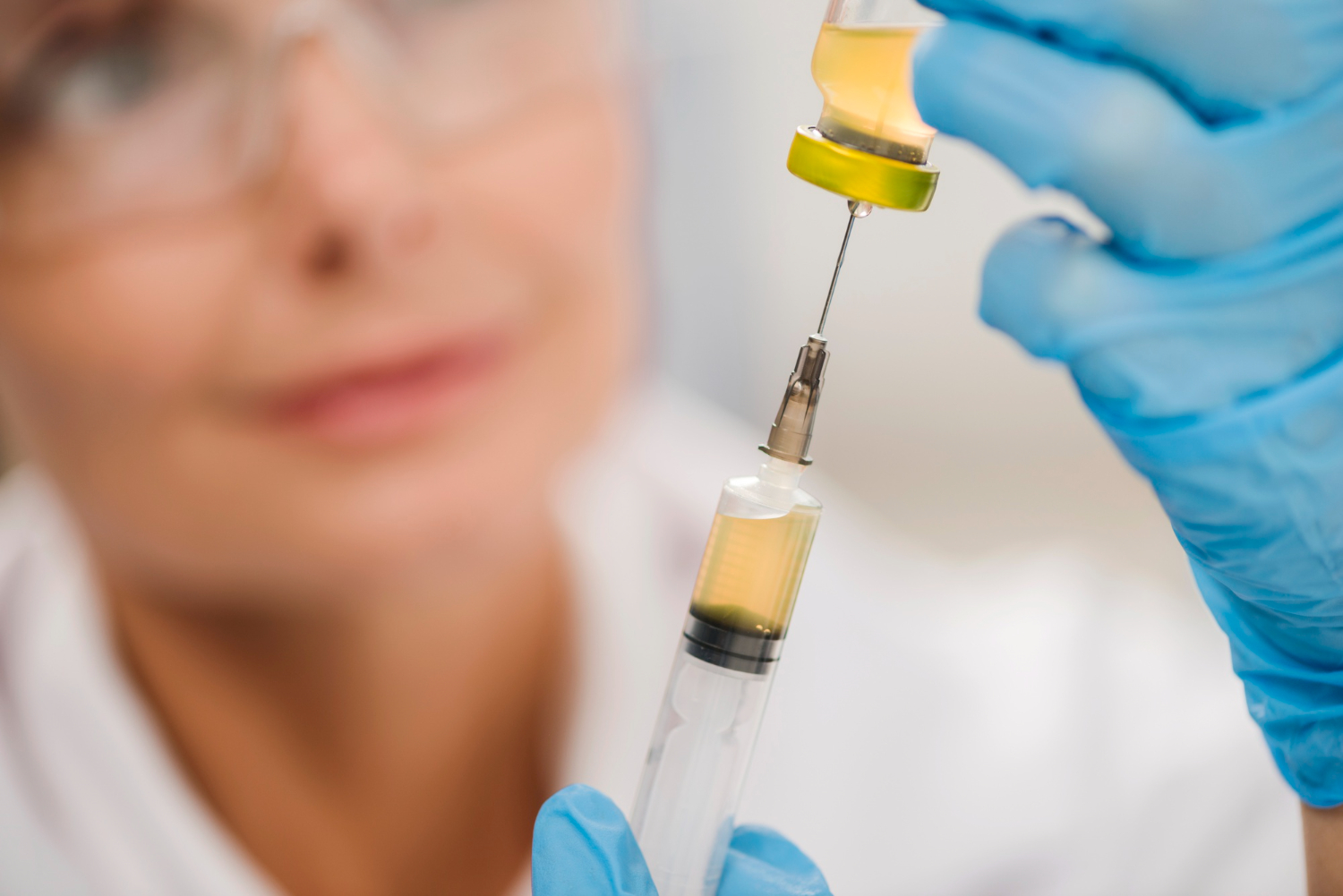
Search "stem cells" online, and you'll find clinics claiming they treat almost anything. Autism, Alzheimer's, even aging itself. So what's real?
Stem cells do have real, proven uses backed by decades of research. But many claims online run far ahead of the science. Here in Jerome, we wrote this guide to give you a straight answer instead of a long list of promises.
It explains which diseases stem cell treatment is proven to help. It also covers which ones are still being tested, and how to tell the difference. No hype and no sales pitch. Just what the evidence shows today.
If you're looking into stem cells for your knees, back, or another condition, this is a good place to start. We'll begin with the short list of proven and FDA-approved uses. Next, we'll look at the conditions researchers are still studying. We'll finish with the questions to ask any clinic before you book.
What Diseases Can Be Cured Using Stem Cells?
Stem cells are best proven to treat diseases of the blood and immune system, plus some rare inherited disorders. Doctors use stem cell transplants for blood cancers like leukemia, lymphoma, and multiple myeloma. They also treat blood disorders like sickle cell disease, thalassemia, and aplastic anemia. For some of these diseases, a transplant can bring a cure.
The FDA has not approved stem cells for common conditions like joint pain, back pain, or heart disease. These uses are still being studied. Results vary, and they are not considered cures. Before any treatment, ask what the evidence shows for your specific condition.
What Are Stem Cells, in Plain Terms?
Stem cells are "starter cells." They can grow into other types of cells, like blood cells or bone cells. Your body relies on them to replace cells that wear out.
Here are the main types you'll see:
Embryonic stem cells: Come from early-stage embryos. They can become almost any cell type.
Adult stem cells: Found in your own body, such as in bone marrow and fat.
Birth tissue stem cells: Collected from cord blood, the umbilical cord, or amniotic tissue after a baby is born.
Two terms matter most for this guide:
Blood-forming (hematopoietic) stem cells: These make your blood and immune cells. They have decades of proof behind them, and they're the cells used in transplants.
Mesenchymal stem cells (MSCs): Also called mesenchymal stromal cells. These come from bone marrow, fat, or birth tissue. Most stem cell clinics use cells from these same sources.
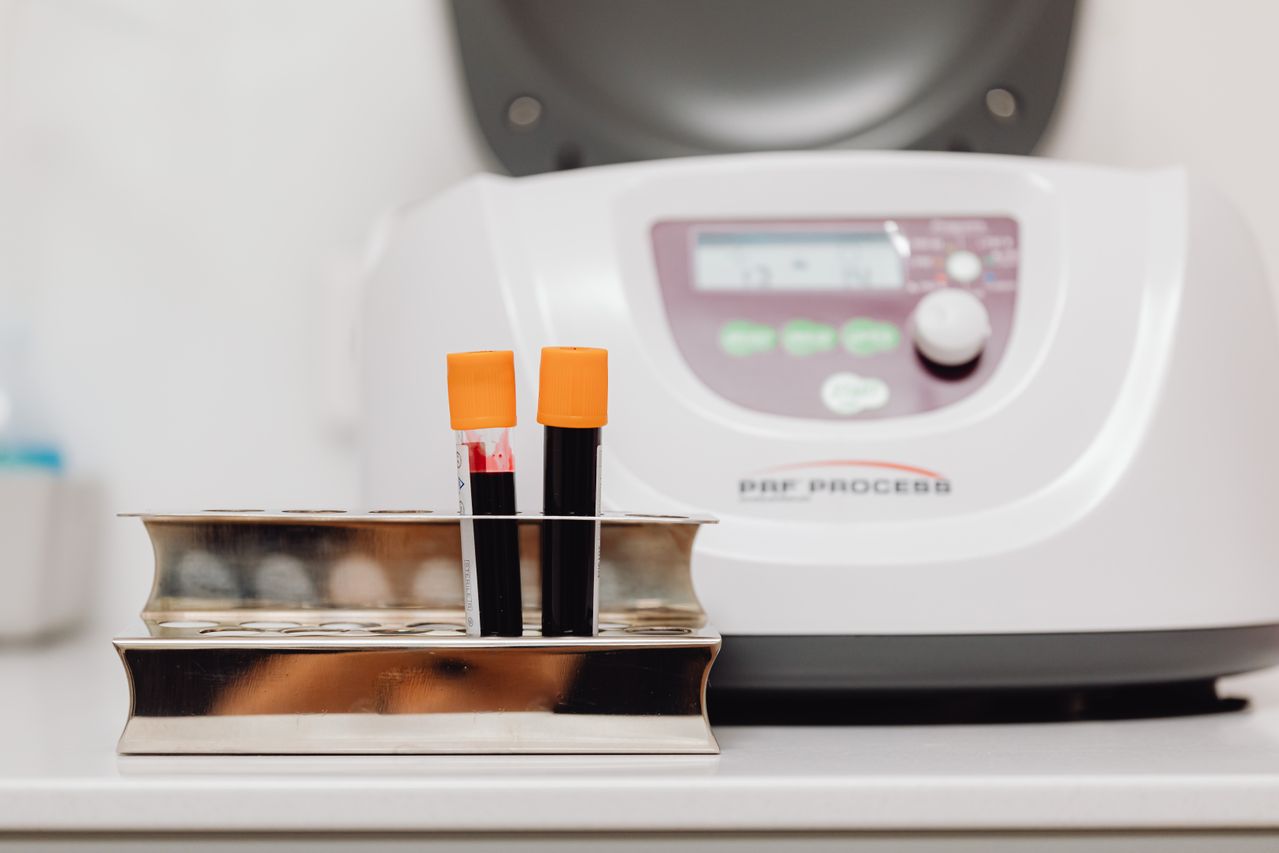
Diseases Stem Cells Are Proven to Treat
Most proven uses for stem cells involve the blood and immune system. These treatments rely on blood-forming stem cells, and they have decades of research behind them.
Blood cancers
Examples: Leukemia, lymphoma, multiple myeloma
Treatment type: Stem cell transplant (bone marrow, blood, or cord blood)
Can it cure? Sometimes, for some types
Blood disorders
Examples: Sickle cell disease, thalassemia, aplastic anemia
Treatment type: Stem cell transplant
Can it cure? Sometimes
Inherited immune and metabolic disorders
Examples: Severe combined immunodeficiency (SCID), Krabbe disease, adrenoleukodystrophy (ALD)
Treatment type: Stem cell transplant
Can it cure? Sometimes
These are serious procedures done in a hospital. They are not a quick outpatient visit. A transplant can cure some of these diseases, but a cure is never guaranteed.
Which Stem Cell Therapies Are FDA-Approved?
That's the proven list. Now here's the short list of stem cell products the FDA has officially approved:
Cord blood stem cell products: These are blood-forming stem cells from donated cord blood. They're approved for certain blood-related disorders only.
Ryoncil (December 2024): The first FDA-approved mesenchymal stromal cell therapy. It's for children with a serious transplant problem called steroid-refractory acute graft-versus-host disease.
Gene therapies made from your own blood stem cells: Casgevy and Lyfgenia (December 2023) treat sickle cell disease. A few others treat rare inherited disorders, such as beta thalassemia. Each one changes a patient's own blood stem cells, then returns them to the body.
The FDA warns that stem cell products are not approved for autism, chronic pain, fatigue, blindness, or macular degeneration. If a clinic says otherwise, that's a warning sign.
FDA-registered is not FDA-approved. Some clinics say their lab is "FDA-registered." That only means the lab is on file with the FDA. It does not mean the FDA has checked that it follows the rules, or that the treatment is approved.
Conditions Stem Cells Are Still Being Studied For
So what about knees, backs, and everything else? That's where "being studied" comes in. A 2016 national study found that clinics advertise stem cells for joint and other orthopedic problems more than anything else. Researchers are also running clinical trials for several serious diseases.
Knee osteoarthritis: Mixed
Tendon and cartilage injuries: Mixed
Heart disease: Mixed
Spinal cord injury: Early
Parkinson's disease: Early, with a larger trial now underway
Multiple sclerosis (MS): Promising for some types, using blood-forming stem cell transplants
Type 1 diabetes: Promising early results, with a larger trial now underway
"Being studied" means the evidence is early or mixed. Some studies show benefits, and others don't. Results also vary from person to person. You can look up active trials at ClinicalTrials.gov, but a listing there doesn't mean the FDA has approved a treatment.
For knee arthritis, reviews show some people report less pain in the short term. But most studies are small, and reviewers rate the evidence as low quality. Long-term results aren't known yet, and no one can promise how your body will respond.
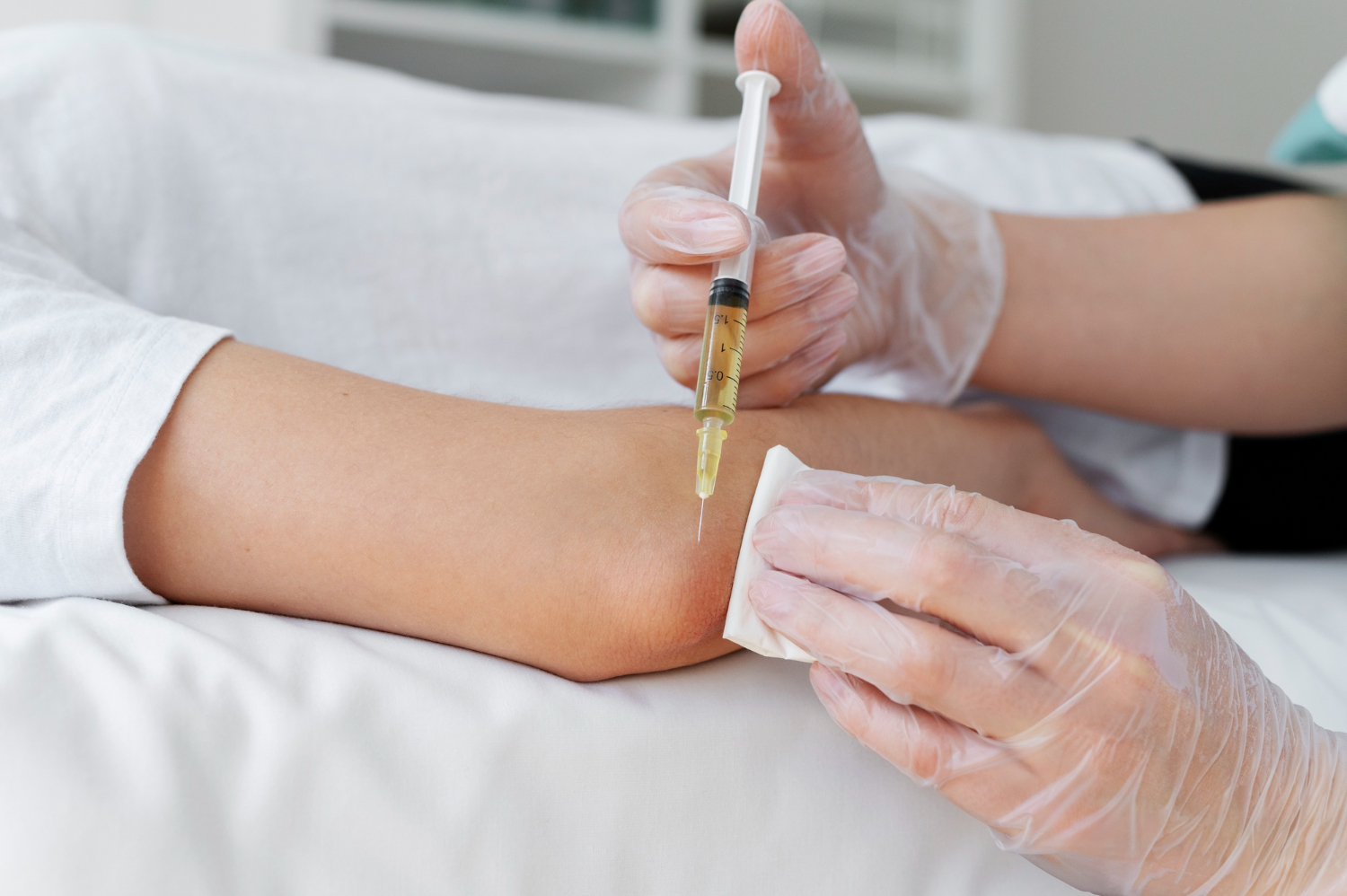
How to Spot an Honest Stem Cell Clinic
Knowing the science is half of it. The other half is knowing what to ask. Stem cell researchers and the FDA point to these red flags:
They say their treatment "cures" a disease.
They say one type of cell can treat many unrelated conditions.
They call the treatment "FDA approved," or point to an "FDA-registered" lab as proof.
They rely on patient testimonials instead of research data.
They charge you to join a "study." Real clinical trials rarely charge for the treatment being tested.
The risks are real. The FDA has received reports of serious harm from unapproved stem cell products, including infections, tumors, and blindness.
Before you book with any clinic, including ours, ask these questions:
Where do the cells come from?
Is this treatment FDA-approved for my condition, or part of an FDA-reviewed clinical trial?
What does the research show for someone like me?
What are the risks, and what happens if something goes wrong?
Stem Cell Treatment in Jerome Starts with a Free Consult
Stem cell treatment atCentral Idaho Wellness Center begins with a free consult. Dr. Toby Anderton, MD, worked with Paul Dickinson, CRNA, and Central Idaho Anesthesia to bring this care to Jerome. Our clinic serves the Magic Valley.
Here's how it works:
Book a free consult. Talk with us about your goals and whether regenerative support is a good fit.
Get a wellness assessment. You'll get a personal overview of how treatment may fit into your plan.
Begin with guidance. If you choose to move forward, you start care under expert supervision.
You'll find us at 868 E Main St, Jerome, ID 83338. Call us at (208) 613-3437 to book your consultation.