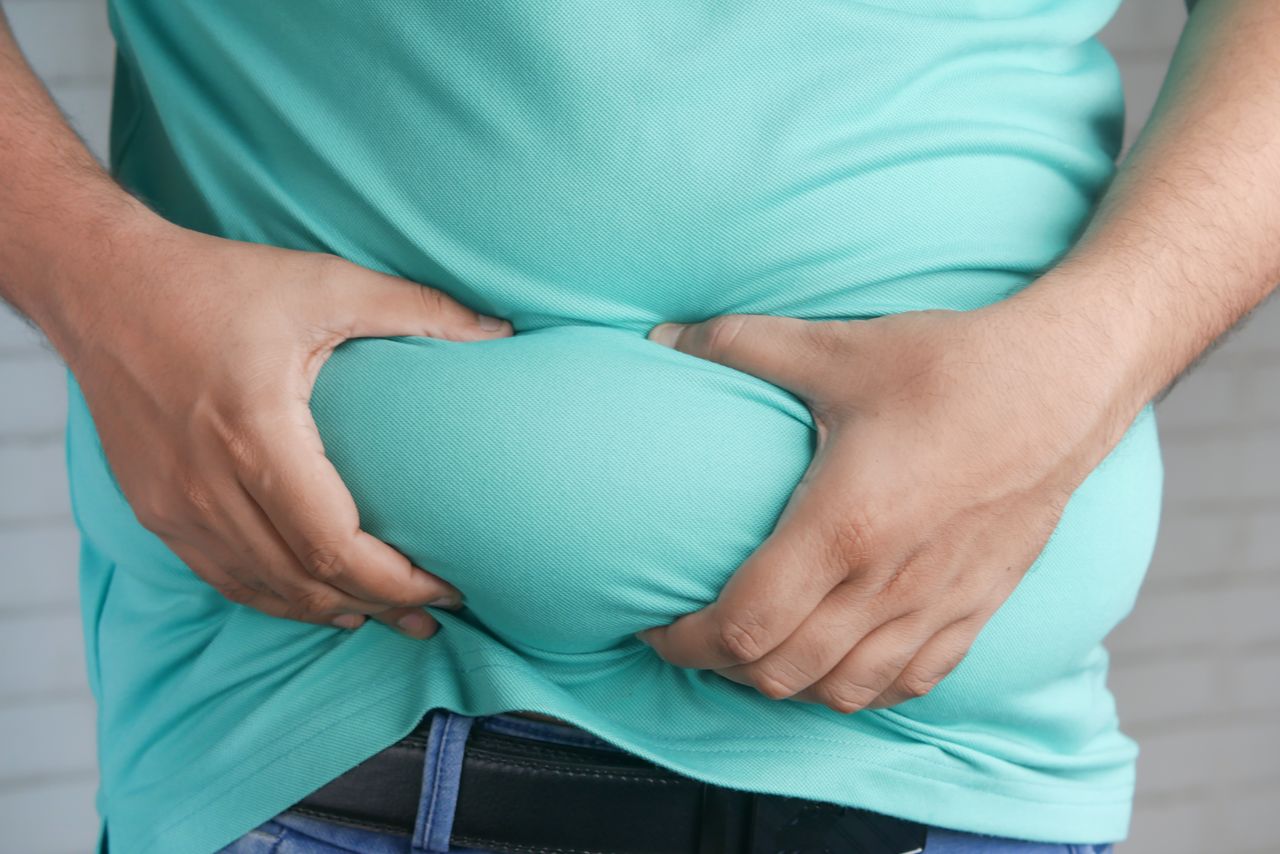
Cutting carbs. Adding a workout. Watching the scale barely move. If that sounds familiar, you already know effort alone doesn't always add up to fast results.
Search "burn fat fast" and you'll find no shortage of quick fixes. Few of them explain what actually works, or why.
Here's the honest answer: no single habit burns fat the fastest. A handful of habits, stacked together, move the needle faster than any one trick on its own.
This guide walks through the habits that work fastest. It covers why fat loss stalls even when you're doing things right. It also covers when a weight loss center can help you push past a plateau.
What Burns Fat the Fastest?
No single trick burns fat the fastest. Combining a few habits works better than any one alone.
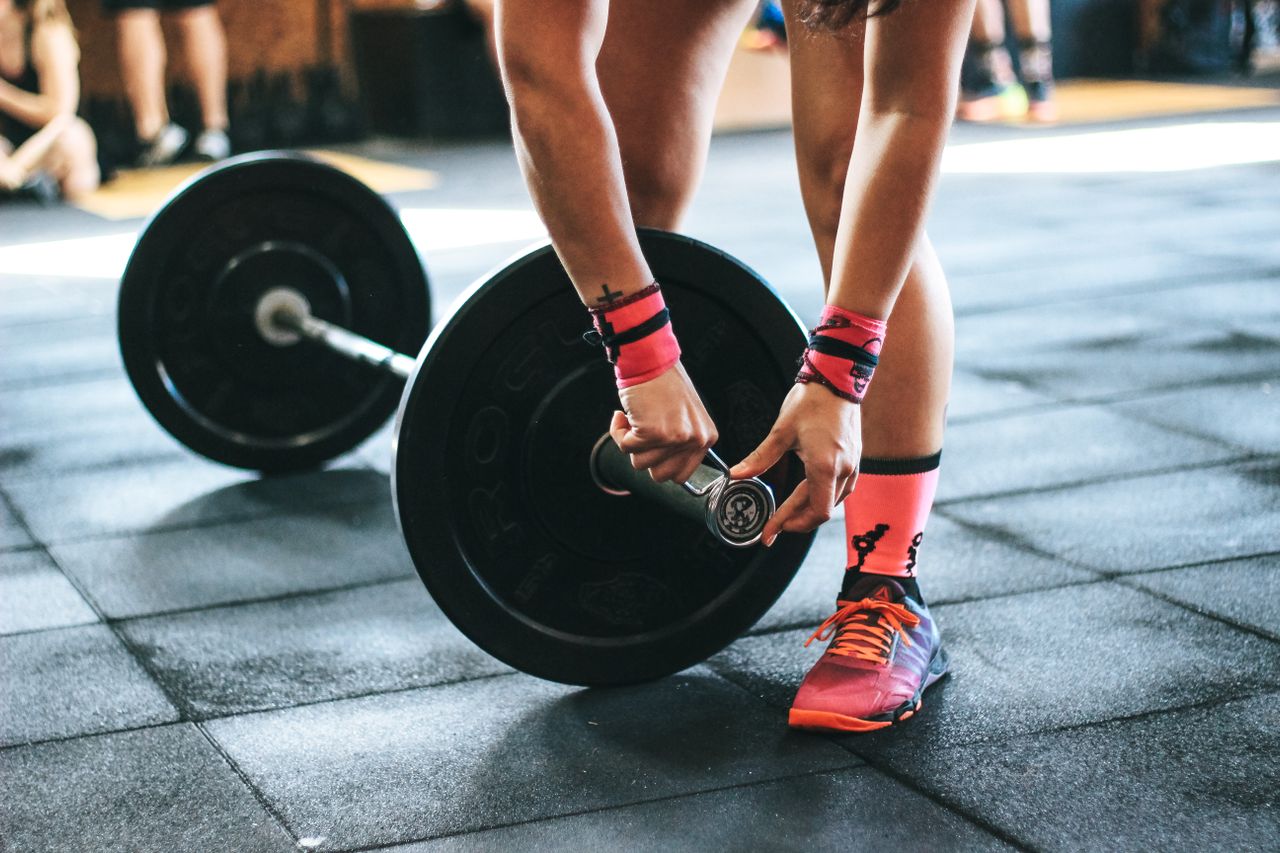
Strength train two to three times a week. Muscle uses more calories than fat, even at rest.
Cut added sugar and refined carbs before cutting all fat.
Get at least seven hours of sleep. Poor sleep raises hunger hormones.
Manage stress. High cortisol can encourage fat storage around your belly.
Keep a modest calorie deficit. Extreme cuts can slow your metabolism and put your health at risk.
The Habits That Burn Fat Fastest, Ranked
Some habits move the needle faster than others. Here's how they rank, and why each one works.
1. Strength training
Muscle uses more calories than fat throughout the day, even while you rest. This is one reason strength training raises your resting burn over time. Some people worry that lifting weights will "bulk them up," butthat's a myth. Building noticeable muscle size takes intense, dedicated training. Regular strength work two or three times a week builds energy-burning muscle without bulking you up.
2. Protein and fiber first
Counting every calorie gets exhausting fast. Fiber adds bulk to your meals and helps you feel full sooner and stay full longer. Pairing protein with fiber, like eggs and vegetables, or beans and whole grains, keeps you satisfied without careful tracking. Focus on these two before you worry about the math.
3. Consistent sleep
Poor sleep raises the hormones that drive hunger and lowers the ones that signal fullness. Seven or more hours a night helps your body regulate appetite. Skimping on sleep can undo progress you made elsewhere, even if your diet and workouts stay the same.
4. Stress and cortisol management
Chronic stress raises cortisol, and cortisol is linked to fat storage around your belly. Simple habits like short walks or breathing breaks can help lower stress. Managing stress is not optional if fat loss feels stuck, especially around your midsection.
Wellness teams often start clients with strength training and sleep together, since better sleep supports harder, more consistent workouts. Combining these four habits tends to work faster than perfecting any single one alone.
Why Fat Loss Stalls Even When You're Doing Everything Right
Plateaus are normal. They are not a sign you are failing.
Your body adjusts to a steady calorie deficit over time. As you lose weight, your body needs fewer calories to function at your new, lower weight. Changes in hunger hormones can also make progress feel slower. This is a normal, expected shift, not a mistake on your part.
So how do you know whether to adjust your approach or stay patient? A few signs can help.
Stay the course if: your weight has been steady for less than two weeks, or your habits have recently changed (new sleep schedule, new stress).
Consider an adjustment if: your weight has held steady for three or more weeks with no habit changes, or your energy and hunger levels feel off.
Small, steady changes tend to outlast anything abrupt. If consistency is the piece you're missing, seethe three C's of lasting weight loss. It walks through building habits that stick.
Quick Fixes vs. Habits That Actually Last
"Fast" and "lasting" are not opposites. But some shortcuts trade one for the other, and a few carry real health risks.
Very-low-calorie diets and fasting
Extreme calorie cuts and fasting often burn muscle along with fat. Fasting works differently than cutting calories through smaller meals. It tends to cost you more muscle, relative to fat, than steady, smaller calorie cuts do.
Losing muscle can slow your metabolism further, working against you long term. Fast weight loss can also raise your chances of developing gallstones. Losing weight quickly can cause your liver to release extra cholesterol into your bile.
Overpromising supplements
Many supplements promise fast fat loss with little backing behind the claim. The FDA does not require weight-loss supplements to be approved as safe or effective before they're sold. That means claims on the label aren't independently checked before you buy. A pill rarely replaces the habits that actually move the needle.
Quick fix vs. lasting habit:
Skipping meals or fasting → Eating enough protein and fiber
Extreme calorie cuts → A modest, steady deficit
Relying on a supplement → Building sleep and stress habits
All-or-nothing effort → Small changes you can repeat
The fastest path is not always the most dramatic one. It's the one you can keep doing, week after week.
Want a plan built around habits that actually last? See ourweight loss program.
Belly Fat vs. Overall Fat: Does It Burn Differently?
Belly fat search questions come up often, and for good reason. Not all fat behaves the same way.
Visceral fat carries added risk
Fat stored around your organs, called visceral fat, affects more than how clothes fit. It can change how your body handles blood sugar and insulin. This raises your risk for health problems like type 2 diabetes and heart disease. This is one reason belly fat gets extra attention beyond appearance.
Spot-reduction doesn't work
You cannot target fat loss to one area through exercise alone. Crunches strengthen your core, but the burning feeling you notice comes from tired muscles, not fat leaving that spot. Fat loss happens across your whole body as you build an overall calorie deficit.
Cortisol plays a specific role
Chronic stress raises cortisol, and research has linked cortisol specifically to fat storage around the abdomen. Wellness teams that focus on belly fat often start with stress and sleep habits. Both directly affect cortisol levels. Managing stress can matter as much as diet or exercise for belly fat.
Visceral fat: stored around organs, linked to higher health risk
Subcutaneous fat: stored under the skin, lower added risk
Stress and sleep habits often make a bigger difference for belly fat than people expect.

When DIY Habits Aren't Enough
Willpower can only take you so far. At some point, structure and support can help more than more effort alone.
What awellness center adds
A wellness center can offer things that are hard to do on your own. This includes structured accountability and testing to understand what's driving your plateau. It also means a plan built around your body instead of general advice.
A visit to a weight loss center typically includes:
A consultation to review your history and goals
Lab work or other testing appropriate to your situation
A personalized plan, not a one-size-fits-all program
Ongoing check-ins to adjust as you go
If you've tried the habits above and progress has stalled, a weight loss center can help you find what's missing. Explore ourpersonalized weight loss support in Jerome to see what it looks like.
Ready to build a plan around your body?Contact us and schedule a free consultation with our team today!
FAQs
What burns belly fat the fastest?
No single habit burns belly fat fastest on its own. Strength training, cutting added sugar, sleeping enough, and managing stress work together. That combination reduces belly fat faster than any one habit alone. Since cortisol plays a specific role in belly fat, stress management often matters more here than for fat loss elsewhere.
Can you really burn fat fast and keep it off?
Yes, but "fast" and "lasting" work together, not against each other. Habits that are consistent and repeatable tend to burn fat faster over time than extreme, short-term fixes. Extreme approaches often backfire by slowing your metabolism or costing you muscle instead of fat.