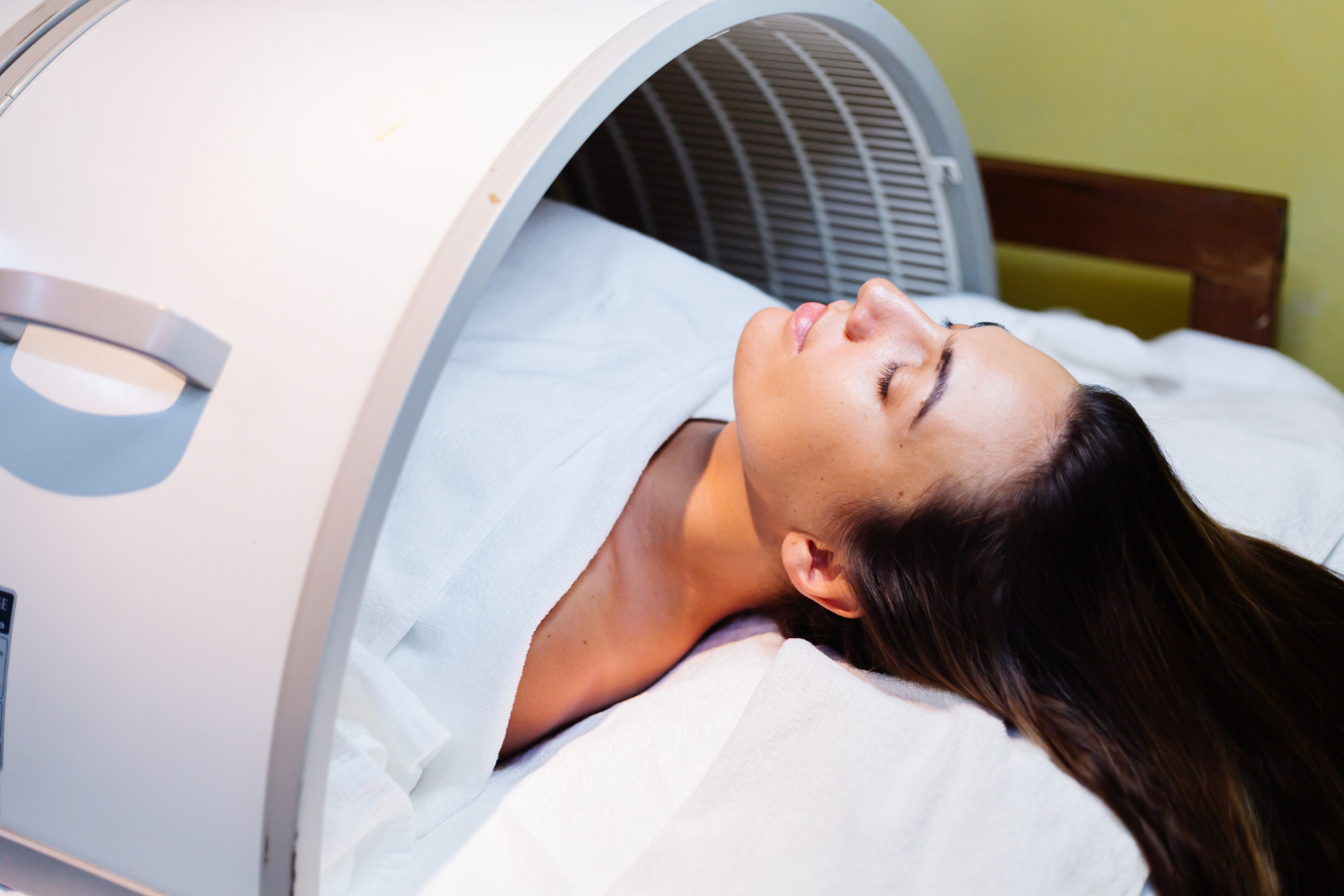
Ever felt your ears pop on a plane? That pressure is the most common side effect of hyperbaric oxygen therapy. Most HBOT risks are mild like that. A few are serious enough that you should know about them before you book.
This guide explains the real risks of hyperbaric oxygen therapy in plain terms. They range from common ear pressure to rare problems like seizures from too much oxygen. Our goal is to give you clear facts so you can make your own choice.
Safety is a fair first question for any treatment, and HBOT is no different. Your own risk depends on your health and the chamber's pressure. Here's what we'll cover:
-The common side effects most people notice
-The rare but serious risks
-How the type of chamber changes your risk
-Who should not use HBOT
-How to lower your risk before and during a session
What are the Main Risks of HBOT?
Hyperbaric oxygen therapy (HBOT) carries some risks, but serious problems are rare. The most common side effect is ear pain or pressure, much like flying in a plane. Other mild side effects include sinus pain and feeling tired or lightheaded after a session. Some people also get blurry distance vision. It usually clears within days to weeks after treatment ends.
The serious risks include seizures from too much oxygen, lung injury and low blood sugar in people who use insulin. The chamber holds a lot of oxygen, so fire is a risk if safety rules aren't followed. Your risk depends on your health and the chamber's pressure. That's why we screen you before your first session.
What are the Most Common Side Effects of HBOT?
Most HBOT side effects are mild and don't last long. They come from the change in air pressure or from breathing extra oxygen. Here's what you may notice.
Ear pressure or popping. This is the most common side effect. As the pressure in the chamber rises, your ears need to equalize, like when a plane lands. Studies report very different rates of ear trouble, but most cases are minor.
Sinus pressure. Your sinuses also react to pressure changes. A cold or allergies can make this worse.
Feeling tired or lightheaded. Some people feel worn out or a little dizzy after a session. If you can, plan a lighter rest of your day.
Blurry distance vision. Some people become nearsighted during treatment. It usually clears days to weeks after the last session.
Feeling closed in. An enclosed chamber can bother people who don't like small spaces. Let us know ahead of time if this worries you.
Ear pressure or popping
How common: Most common
How long it lasts: Mostly during pressure changes
What helps: Swallow or yawn, and speak up right away
Sinus pressure
How common: Possible, more likely with a cold or allergies
How long it lasts: Mostly during pressure changes
What helps: Reschedule if you're sick or stuffed up
Tired or lightheaded
How common: Possible after a session
How long it lasts: After a session
What helps: Rest and plan a lighter day
Blurry distance vision
How common: Possible during treatment
How long it lasts: Days to weeks after the last session
What helps: Tell your provider; it usually clears on its own
Feeling closed in
How common: Depends on the person
How long it lasts: While in the chamber
What helps: Tell us before your session
Speak up right away if you feel pressure or pain during a session. You'll find simple ear-clearing steps further down this page.
Those are the side effects most people notice. Next come the rare ones worth knowing.
Rare but Serious Risks to Know About
Serious problems from HBOT are rare. You should still have the full picture before you book. Here's what can happen, even though it's unlikely.
Rare: Seizures from too much oxygen. Too much oxygen can affect the brain and lungs. These seizures don't usually cause brain damage.
Rare: Lung injury. Pressure changes can damage the lungs, sometimes causing a collapsed lung. People with certain lung diseases have a higher risk.
Rare: Burst eardrum or fluid in the middle ear. Most ear trouble stays minor. In some cases, fluid builds up behind the eardrum or the eardrum bursts.
Rare: Low blood sugar. This mostly affects people with diabetes who take insulin. Your provider may check your blood sugar before a session.
Rare: Heart problems. A few people with severe congestive heart failure have had heart trouble after HBOT.
Rare: Fire. The chamber holds a lot of oxygen, which makes it easier for a fire to start and spread. That's why chambers have strict rules about what you can bring inside.
How likely these risks are depends partly on the chamber itself.
Does the Type of Chamber Change Your Risk?
Yes. A chamber's pressure and oxygen level both affect your risk. Side effects are generally mild when a session lasts two hours or less and pressure stays under three times normal. Breathing extra oxygen for too long raises the chance of oxygen toxicity. That's why some sessions include short breaks of normal air.
Hard chambers are sealed shells built to hold high pressure. Medical HBOT often runs at 1.5 to 3 times normal air pressure. Most medical treatments use 2 to 3 times normal pressure with nearly pure oxygen.
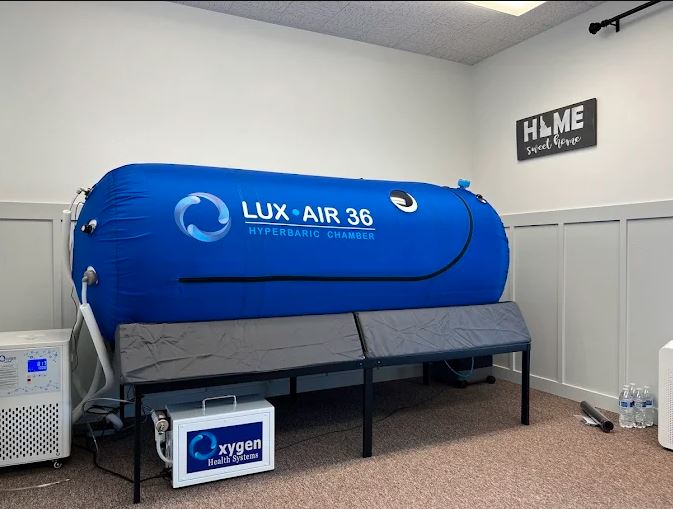
Soft chambers, sometimes called "mild" chambers, are flexible units that zip closed. They usually run at 1.4 times normal air pressure or lower.
Pressure
Hard chamber: Often 1.5 to 3 times normal
Soft chamber: Usually 1.4 times normal or lower
Oxygen
Hard chamber: Nearly pure oxygen
Soft chamber: Room air or added oxygen, depending on the setup
Typical setting
Hard chamber: Hospitals and hyperbaric centers
Soft chamber: Outpatient and wellness settings
At our Jerome clinic, you breathe nearly pure oxygen inside a soft-sided chamber. Ask any clinic, including ours, what pressure and oxygen level it uses. You have every right to a clear answer before your first session.
Who Should Not Use HBOT?
You should not use HBOT if you have anuntreated collapsed lung. That is the one firm "no." Many other health issues don't rule you out. They do call for a careful look first.
Talk to your provider first if you:
Have certain lung diseases, which raise the risk of a collapsed lung
Have a cold, fever or sinus infection
Had recent ear surgery or an ear injury
Have severe congestive heart failure
Have diabetes and take insulin, because your blood sugar may need checks before sessions
Have a seizure disorder, because it can raise the risk of seizures from too much oxygen
Are pregnant, because the effects on an unborn baby aren't fully known
Take certain medicines, such as some chemotherapy drugs
Bring a full list of your health conditions and medicines to your evaluation. Our providers review it before your first session.

How to Lower Your Risk Before and During a Session
Knowing the risks is step one. Here's how to keep them low.
Share your full health history. Tell your provider about every health condition and every medicine you take. This is how your provider spots the cautions listed above.
Reschedule if you're sick. A cold, fever or stuffy nose makes ear and sinus trouble more likely. Call us to move your session.
Practice clearing your ears. Swallowing and yawning both help. You can also pinch your nose and gently push air against it. Hyperbaric teams often teach these steps and check that you can do them before treatment.
Follow the chamber's item rules. Leave out anything you're told not to bring, such as phones and other electronics. Extra oxygen makes a fire easier to start, so these rules matter.
Plan ahead if you have diabetes. Ask your provider whether you should eat before your session. You may need a blood sugar check first.
3 questions to ask any HBOT clinic:
- What training do your staff and providers have?
- Who watches over each session?
- What pressure and oxygen level does your chamber use?
How We Screen for Hyperbaric Oxygen Therapy Safety in Jerome
Hyperbaric oxygen therapy at our Jerome clinic starts with an initial evaluation.Our team includes nurses, hyperbaric technicians and experienced providers.
Here's what to expect:
Initial evaluation. We review your health history to confirm HBOT is a good fit for you. We also talk through your goals and any past treatments.
Session schedule. We recommend a series of sessions. How often you come depends on your needs.
Progress check-ins. We monitor how you respond and adjust your plan as needed.
Have questions about your own risk? Call us at (208) 613-3437 or visit our Jerome clinic on Main Street today!