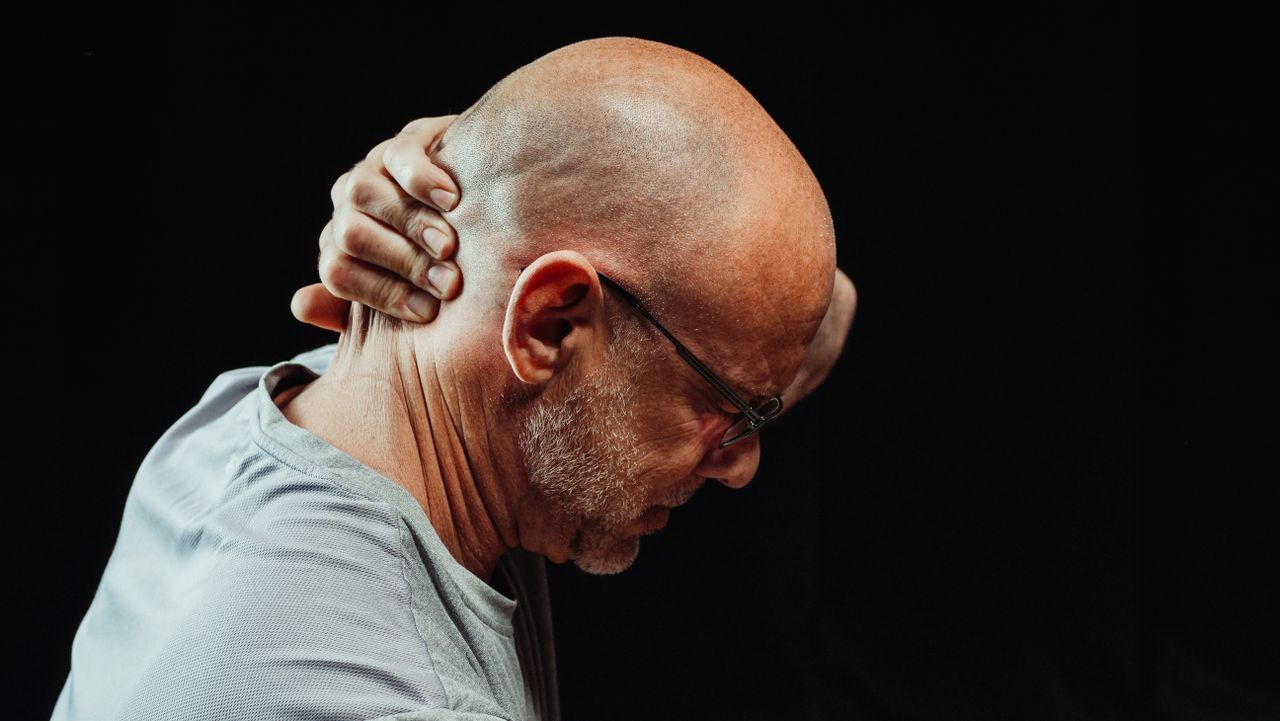
Your back takes an hour to loosen up each morning. Your shoulder aches after every shift. Maybe your knees complain on the stairs, and you wake up tired even after a full night in bed.
Is this just part of working hard? Or is it chronic pain? When pain builds slowly, it can be hard to tell the difference. Aches that come and go for months are easy to brush off.
This guide walks through the most common chronic pain symptoms. It can help you tell normal wear and tear from something worth a closer look. Knowing the signs makes it easier to decide your next step.
You'll learn what counts as chronic pain and the physical signs to watch for. You'll see how pain can show up in your sleep, mood, and daily life. We'll cover when it's time to see a pain specialist. We'll also show you which symptoms need emergency care right away.
What Are the Common Symptoms of Chronic Pain?
Common symptoms of chronic pain include ongoing aching, burning, or shooting pain, along with stiffness, poor sleep, and low mood. Chronic pain is pain that lasts three months or longer. Watch for these signs:
- A dull ache, burning, or sharp shooting pain that keeps coming back
- Stiffness or trouble moving, often worst in the morning
- Tingling, numbness, or pain that spreads to other areas
- Poor sleep and feeling tired most of the day
- Low mood, stress, or trouble focusing
- Doing less at work, at home, or for fun because of pain
Your symptoms can be steady, or they can come and go. If pain has lasted for months or keeps you from normal tasks, a pain specialist can look for the cause and build a care plan with you.
What Counts as Chronic Pain?
Chronic pain is pain that lasts three months or longer, or past the time your body should have healed. Acute pain is different. It starts suddenly after an injury or illness and usually fades as your body heals.
Acute Pain: Lasts less than three months. Caused by a clear injury, illness, or surgery. Rest and follow your care instructions.
Chronic Pain: Lasts three months or longer. May start with an injury or have no clear cause. See a provider who can look for the cause.
Sometimes pain sticks around after an injury has healed. A strained back or a hurt knee can keep aching long after the damage is gone. That lasting pain still counts as chronic pain, and it's worth checking out.
Common Physical Symptoms of Chronic Pain
Chronic pain doesn't feel the same for everyone. It may be sharp or dull, and you might notice more than one type at once. Here are the words people often use to describe it:
Aching: a dull, steady soreness that won't go away
Burning: a hot, searing feeling
Throbbing: pain that pulses or pounds
Shooting: sudden pain that travels along an arm or leg
Stinging: a sharp, prickly pain
Stiffness is another common sign. You may have trouble bending, turning, or reaching like you used to. This reduced range of motion can make simple tasks, like tying your shoes, feel harder.
Your pain may also flare with certain tasks. Lifting, sitting in one position for a long time, or repeating the same motion can set it off.
Tingling or numbness can be a sign that a nerve is involved. You might also feel tight muscles or tender spots that hurt when pressed. Keep track of these details, because they help your provider understand what's going on.
Signs of Chronic Pain Beyond the Pain Itself
Pain isn't the only sign. Chronic pain often shows up in how you sleep, think, and feel. These signs are easy to miss because they don't seem connected to your body.
Sleep trouble: Pain can make it hard to fall asleep or stay asleep.
Feeling tired: Poor sleep and constant pain can leave you worn out all day.
Mood changes: You may feel stressed, down, or quick to get upset.
Trouble focusing: Pain can pull your attention away from work or conversations.
Pulling back: You might skip hobbies, family time, or tasks you used to enjoy.
These changes matter just as much as the pain itself. Providers often ask how pain affects your daily life, your work, and your stress level. So mention these changes at your visit, even if they seem unrelated.

What Chronic Pain Feels Like by Body Area
Where your pain shows up can offer clues about what's behind it. Use this list to match what you feel to the area it affects. It can help you describe your symptoms clearly at your visit.
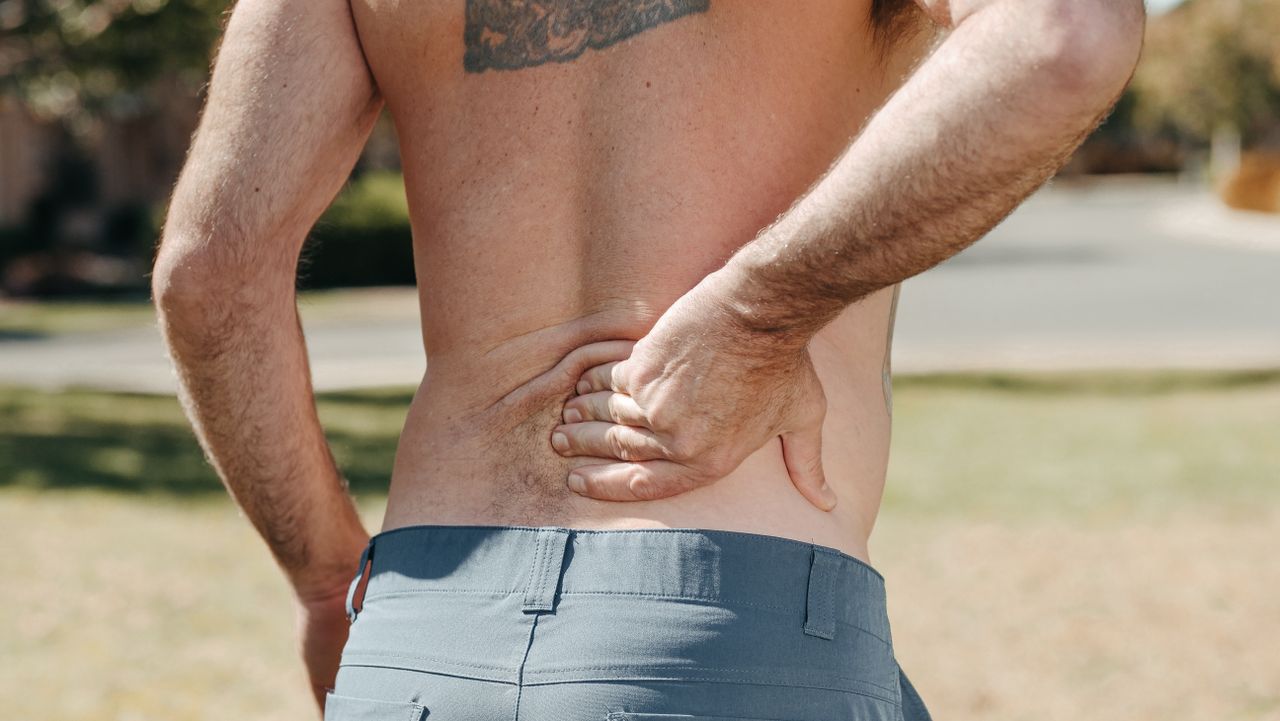
Back and neck: Stiffness and aching, often after lifting or repeating the same motion. Related care includes a pain evaluation to look for the source.
Joints (knees, hips, shoulders): Swelling, grinding, or pain when you move. Related care includes joint injections for knee, hip, and shoulder pain.
Nerves (sciatica, neuropathy): Burning, tingling, or pain that shoots down an arm or leg.
Related care includes nerve block treatment for sciatica and neuropathy.
Head: Headaches or migraines that keep coming back. Related care includes migraine and headache care.
This list describes common symptoms only. It can't tell you what's causing your pain. Our providers look at your full history before recommending any care.
When to See a Pain Specialist
Some aches fade on their own, but others need a closer look. Use this checklist to see where you stand.
- Your pain has lasted three months or more.
- You still hurt on your days off, even when you rest.
- Morning stiffness lasts more than an hour.
- Pain relievers that used to help don't work anymore.
- Pain is affecting your sleep, your work, or your mood.
Check two or more? It's time to book.
At your first visit, we take time to understand your history, your symptoms, and your goals. We'll ask where it hurts, how bad it gets, and what makes it better or worse. A physical exam is often part of the visit. Then we build a care plan that fits your needs.
For a step-by-step look, read our guide on what to expect at a pain control clinic.

Pain Symptoms That Need Emergency Care
A clinic visit is the right step for pain that builds over time. But some symptoms can't wait for an appointment. They may point to a serious problem that needs care right away.
Call 911 or go to the nearest emergency room if you have:
- Sudden weakness or numbness, especially on one side of your body
- Loss of bladder or bowel control
- Back pain with an unexplained fever
- Back pain after a hard fall or blow
- Sudden chest pain or pressure, especially if it spreads to your arm, jaw, or back
- The worst headache of your life
Don't wait to see if these symptoms pass. Get emergency help first. Once you're safe, we're here to help with any ongoing pain that follows.
How to Track Your Symptoms and Get Help in Jerome
A simple symptom log can help you and your provider spot patterns. Start one before your first visit.
- Write down where it hurts, when the pain starts, and how long it lasts.
- Rate your pain from 0 to 10, with 10 being the worst.
- Note what makes it worse and what helps.
- Write down how pain affects your sleep and your work.
- List any medicines you've tried and whether they helped.
Pain from an old injury or years of repetitive strain can turn simple tasks into a struggle. Walking the dog, cleaning the house, or playing with your kids can start to hurt. Your log helps us see that full picture.
Bring your symptom log to your first visit. Also bring a list of the medicines and supplements you take. Notes about past illnesses, surgeries, or doctor visits can help too.
Our clinic is at 868 E Main St, Jerome, ID 83338. We're open Monday through Friday, 8 AM to 5 PM. If you work farm, dairy, or shift hours, call (208) 613-3437 to find a visit time that fits your week.
Ready to take the next step? Contact us today to start your pain management journey, the right way!
FAQs
Can chronic pain come and go?
Yes, chronic pain can come and go, or it can be there all the time. You might have good weeks and bad weeks. If the pain keeps coming back for more than three months, it still counts as chronic pain.
Can chronic pain start without an injury?
Yes, chronic pain can start without a clear injury. Sometimes it follows an injury or infection. Other times, it comes from an ongoing condition like arthritis, or there's no clear cause at all.
Can stress make chronic pain worse?
Yes, stress and low mood can make chronic pain worse. Pain can also wear on your mood over time. That's why it helps to mention stress at your visit, even if it seems unrelated.
Can chronic pain be cured?
Chronic pain can't always be cured, but treatment can help manage the symptoms. The first step is looking for the cause. From there, a care plan can be built around your needs and goals.
Do I need a referral to book a visit?
No, most of our services don't require a referral. If you have a specialized medical condition, talk with our staff or your primary care provider about referral details. Call (208) 613-3437 to set up a visit.
Will my insurance cover a visit?
Coverage varies by plan. Our team can review your plan and explain which treatments might qualify. We also offer payment options to help you get care that fits your budget.